Container Home Ideas: Sizes, Layouts and What to Plan For


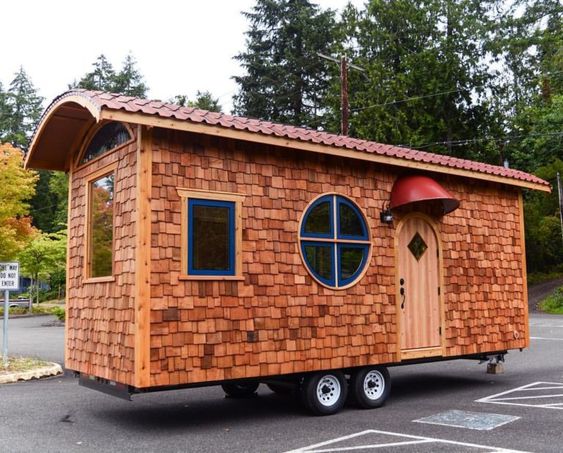
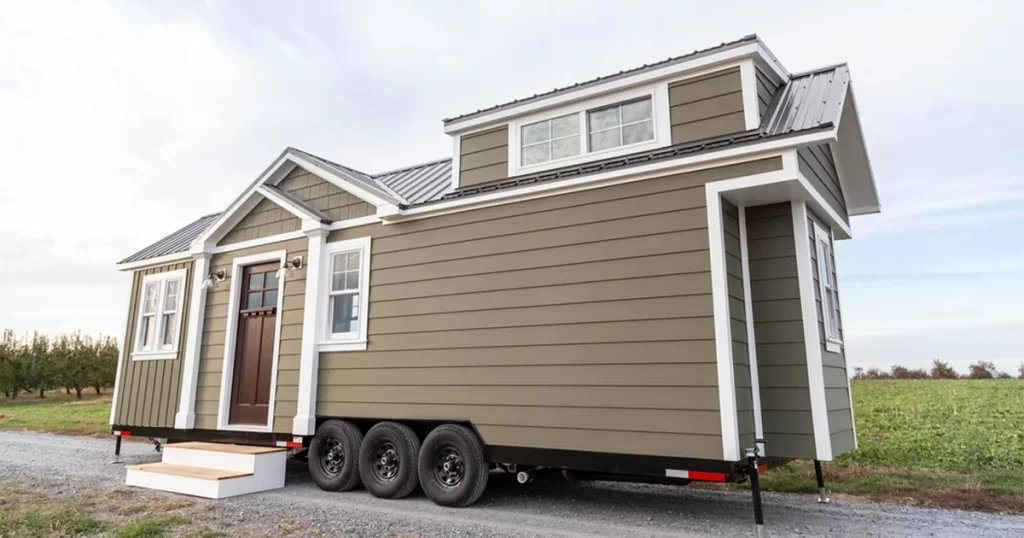
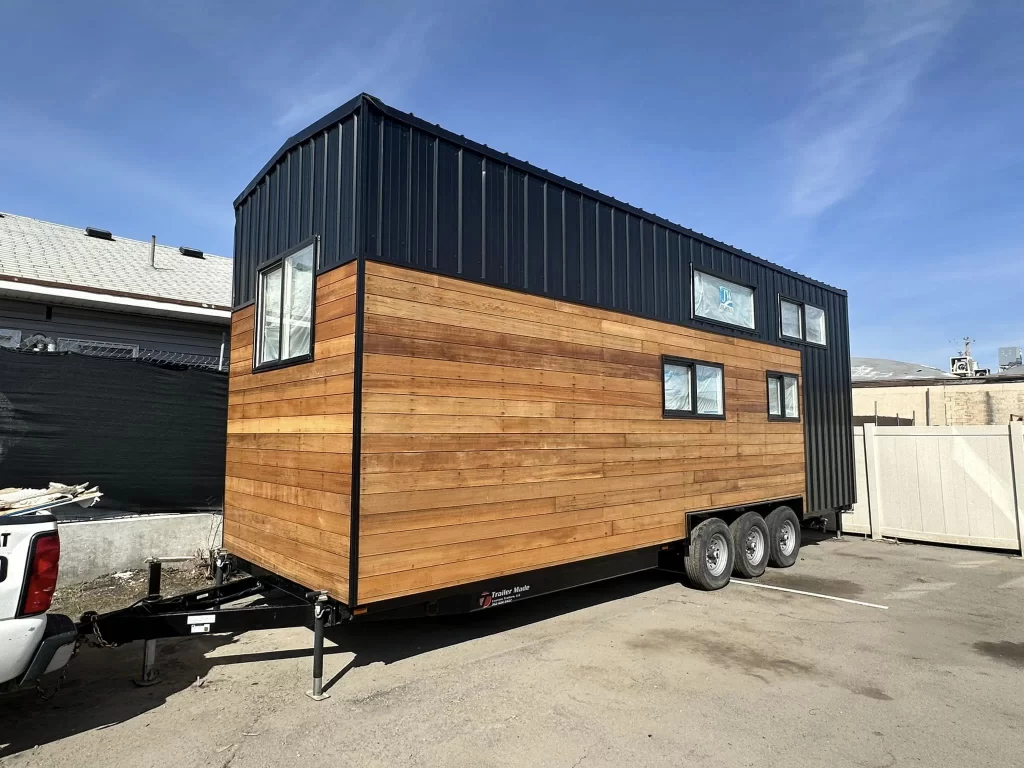
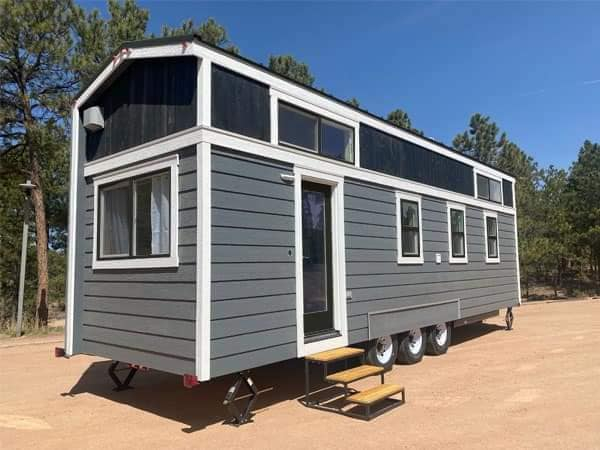
Quick answer: a mobile tiny house (a tiny house on wheels) and a travel trailer can look alike, but in the US they usually fall into different categories. A travel trailer is an RV built to the NFPA 1192 standard for temporary, recreational living. A park model RV is a larger towable built to ANSI A119.5 and capped at 400 square feet. A tiny house on wheels has no single federal definition, and it’s often built as a full-time home. That category decides where you can park, how you insure and finance it, and what you’re allowed to tow on the road.
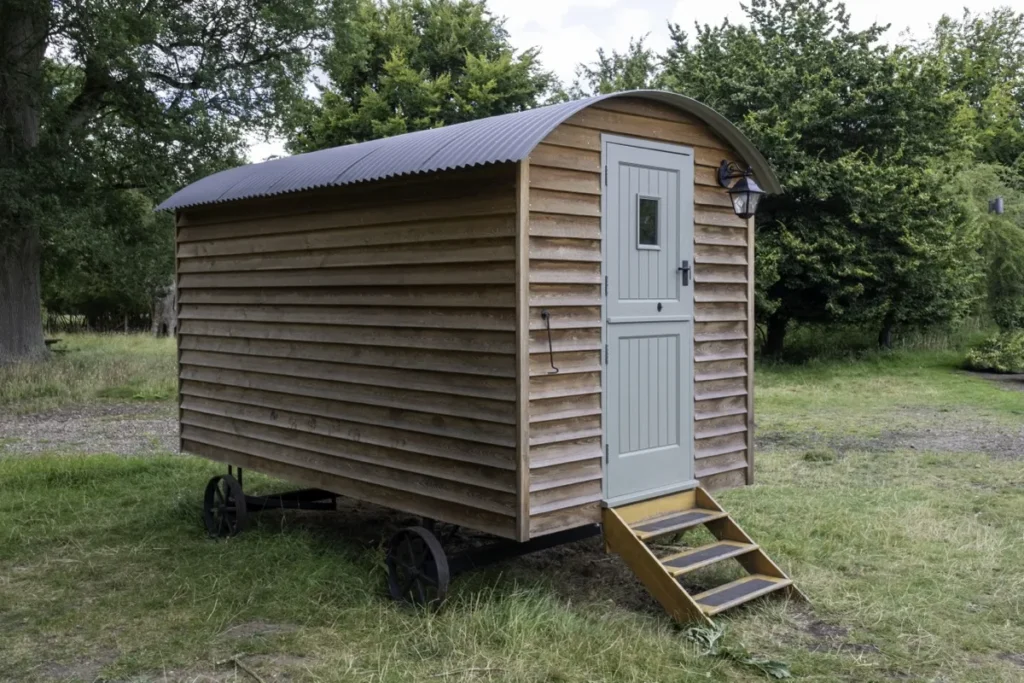
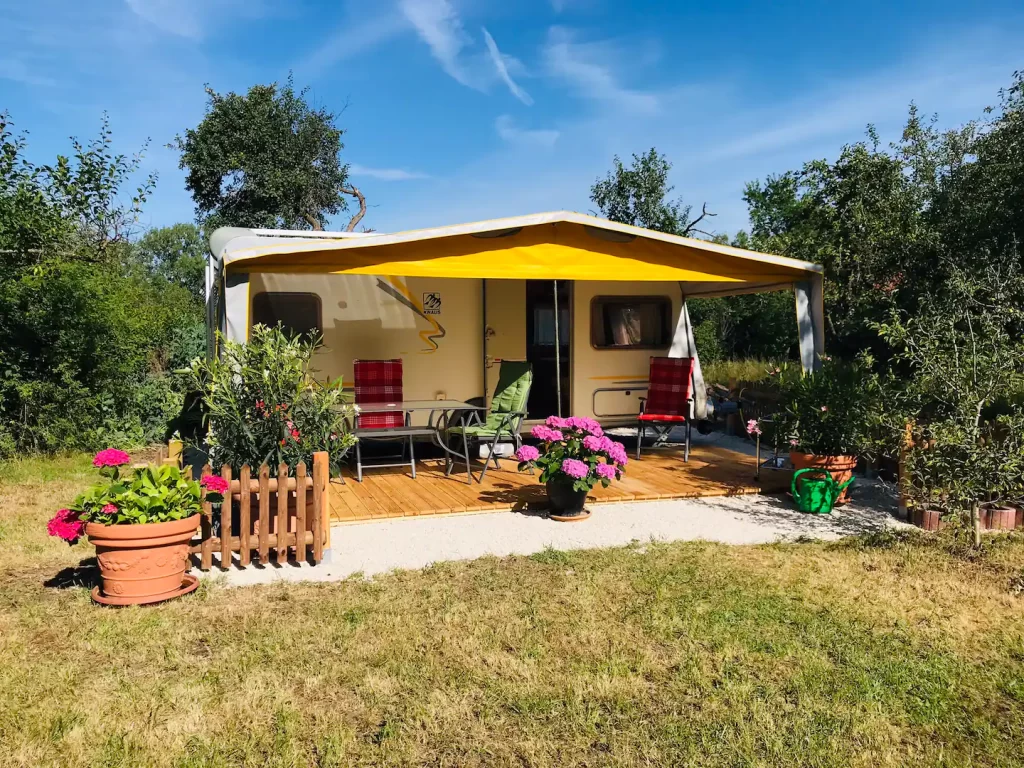
In the UK, a towable home like this would simply be called a caravan. In the US, the label on the paperwork matters far more than what the unit looks like. Here’s how the categories differ, what the road limits are, and what to check before you buy, build or tow.
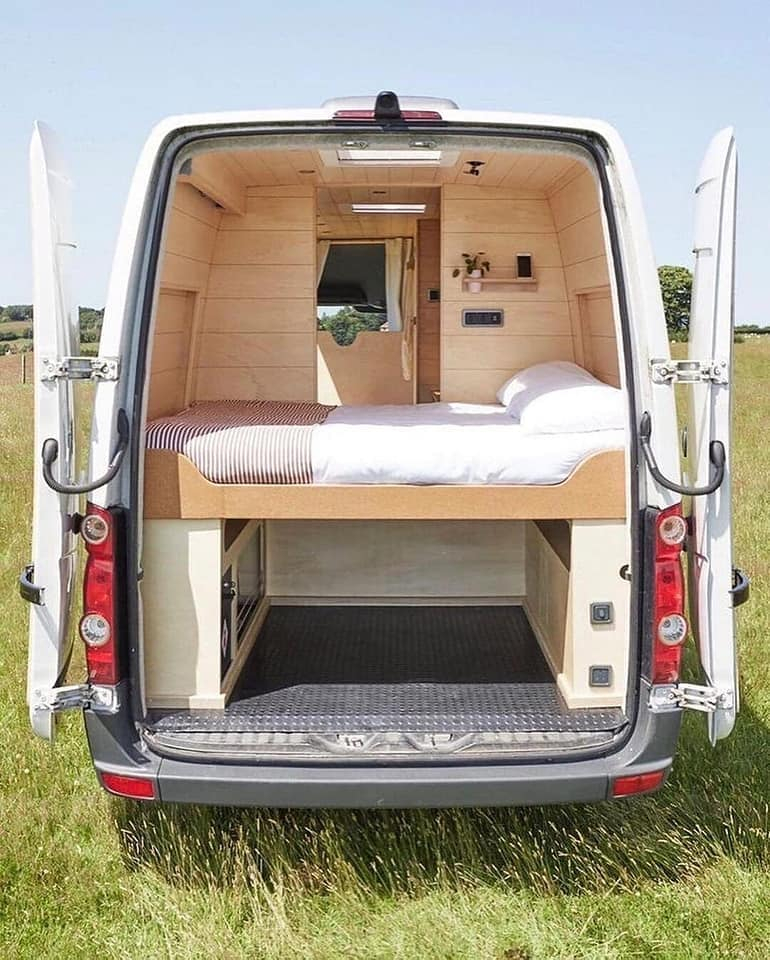
The RV Industry Association (RVIA) describes recreational vehicles as temporary living quarters for recreational, camping or seasonal use, and states that RVs are not designed for permanent or residential living. Travel trailers, fifth wheels and folding camping trailers are all towable RVs. They’re built to NFPA 1192, the RV standard that RVIA says sets fire and life safety criteria. RVIA member manufacturers pledge in writing to build to it.
A park model RV is a towable RV designed for temporary living quarters, according to RVIA. RVIA says park models are not meant to be fixed to real property, and that their makers neither design nor intend them as permanent residences. They’re built to the ANSI A119.5 standard. In its 2018 rule, the US Department of Housing and Urban Development (HUD) noted that ANSI A119.5-15 sets a maximum size of 400 square feet, not counting porches.
Federal rules define a manufactured home as a structure built on a permanent chassis and designed as a dwelling, with or without a permanent foundation. It must be at least 8 body feet wide or 40 body feet long in traveling mode, or at least 320 square feet once set up. Manufactured homes are built to HUD’s construction and safety standards and carry a HUD label.
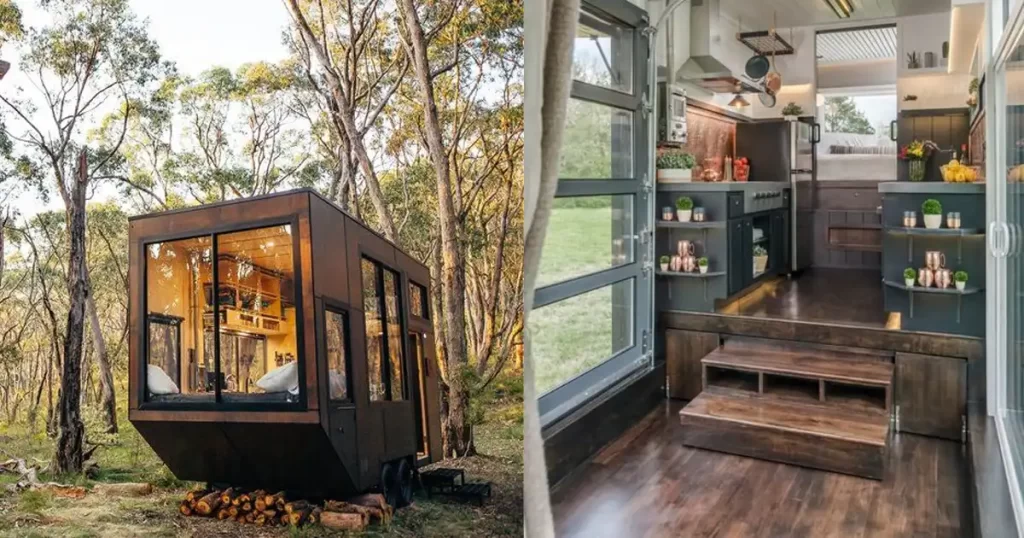
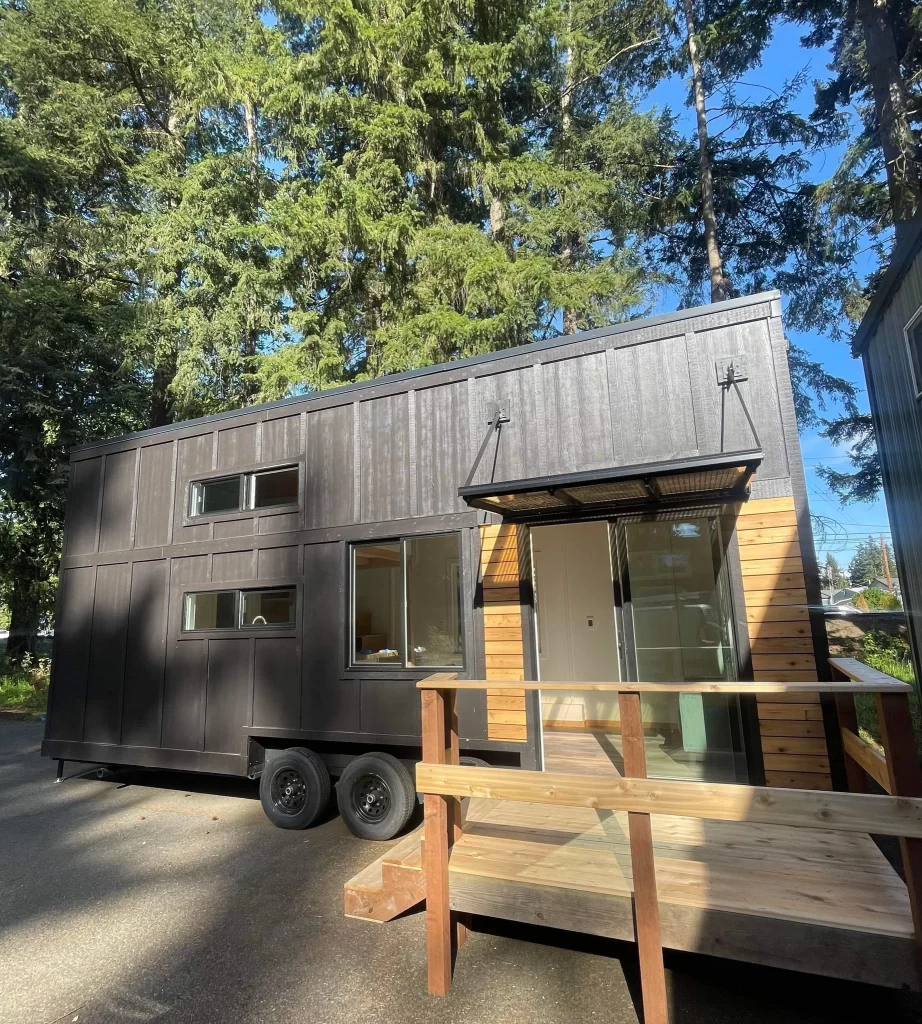
In the same 2018 rule, HUD wrote that “tiny home” isn’t formally defined. It generally means a compact home, usually under 400 square feet, on wheels and intended for permanent residence. HUD also observed that most are built by do-it-yourselfers and don’t conform to any established building code or construction standard. Some builders certify their tiny houses as RVs or park models. HUD noted that manufacturers can also voluntarily opt in to its manufactured-home program.
| Type | Standard | Size rule | Intended use |
|---|---|---|---|
| Travel trailer / fifth wheel | NFPA 1192 | Road limits (see below) | Temporary, recreational, camping, seasonal |
| Park model RV | ANSI A119.5 | Max 400 sq ft, porches excluded | Temporary or seasonal, not a permanent residence |
| Manufactured home | HUD code (24 CFR 3280) | 8 body ft wide or 40 body ft long, or 320+ sq ft set up | Dwelling |
| Tiny house on wheels | None required federally; may be certified as an RV or park model | Usually under 400 sq ft (HUD’s description) | Often a full-time home |
Under federal rules, an RV is exempt from HUD’s manufactured-home standards if it isn’t certified as a manufactured home, is designed only for recreational use and not as a primary residence, and is built and certified to NFPA 1192 or ANSI A119.5 (or is self-propelled). For a park model built to ANSI A119.5-15, the exemption also requires a “Manufacturer’s Notice.” It must be given to the buyer before the sale is complete and displayed in the kitchen until then. The notice states that the unit is designed only for recreational use, not as a primary residence or for permanent occupancy.
In practice, that classification shapes questions such as:
The answers vary by state, county and city, so ask your state’s motor vehicle agency, your local zoning office, and the insurer or lender you plan to use before you buy.
HUD was clear that its 2018 rule doesn’t prohibit or regulate how people use RVs or tiny homes. Where you can live full time is a local question.
Width is the dimension federal rules pin down most clearly. On the National Network of highways, states may not impose a width limit of more or less than 102 inches, or 8.5 feet (Hawaii may keep its 108-inch limit). It’s the width to design to if you want to tow without a special permit. States may issue special permits for wider vehicles, including manufactured housing.
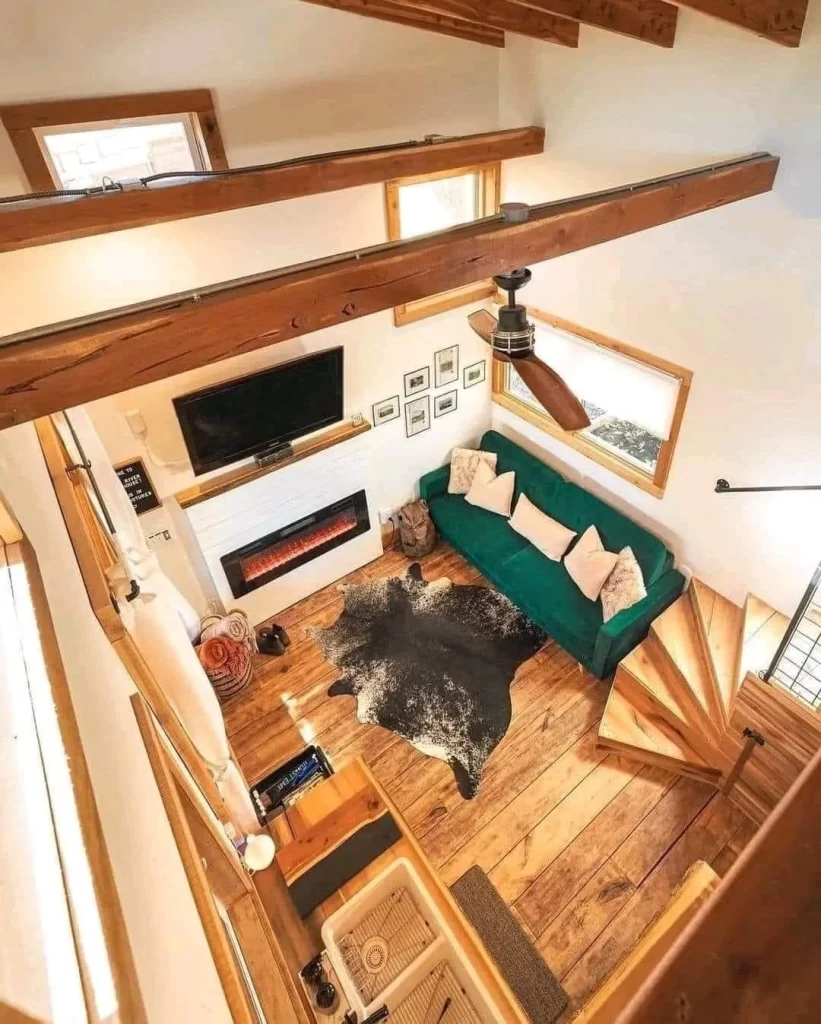
Height and overall length are set by states and vary, so check your state’s rules and every state on your route. A tall tiny house with a loft can run into height limits and low clearances long before it hits the width limit. For layout tricks that stay within road limits, see our tiny house design ideas.
A travel trailer is engineered to be light enough for regular towing. A tiny house built with residential materials (framing, sheathing, siding, a full kitchen and bath) can be much heavier for its length. Don’t guess the weight. Weigh it, then check every rating in the chain:
Before the first trip, learn the basics of hitching a trailer, consider whether you need a weight distribution hitch, and read up on trailer sway causes and prevention. Some owners hire a professional hauler for moves instead. If you’re looking at a bigger build, our 32 ft tiny house guide works through what a long tiny house means for towing.
There’s no single answer, and anyone who promises one is guessing. A few things are certain:
Before you buy land or sign a lease for a spot, get the answer in writing from the local planning or zoning office. For a deeper look at full-time living, see Can you permanently live in a tiny home?
| If you mainly want to… | Look at… | Why |
|---|---|---|
| Travel often, camp, move with the seasons | Travel trailer or fifth wheel | Built and certified for recreational towing and campgrounds |
| Stay put for months in an RV resort or park | Park model RV | Bigger floor plan (up to 400 sq ft), still an RV, set up in one spot |
| Live full time and move rarely | Tiny house on wheels (ideally certified), or a tiny house on a foundation | Residential feel, but check local rules and plan each move |
| Get the widest legal recognition as a home | Manufactured home or code-built tiny house on a foundation | Built to a residential or HUD standard |
Questions to ask any builder or seller:
Only if it’s built and certified as one, to NFPA 1192 or ANSI A119.5. HUD notes that most tiny homes are built by do-it-yourselfers and don’t conform to any established construction standard.
ANSI A119.5-15 sets a maximum of 400 square feet, not counting porches, as HUD’s 2018 rule notes.
On the federal National Network, states use a 102-inch (8.5-foot) width limit, with Hawaii allowed 108 inches. States may issue special permits for wider vehicles; check your state’s rules.
It depends on local zoning and park rules. RVIA says RVs aren’t designed for permanent living, and HUD’s rule doesn’t regulate how they’re used. Check with your city or county.
This article is general information. Follow your tow vehicle, trailer and hitch manufacturers’ ratings and instructions, weigh before you tow, and check state vehicle rules and local zoning before you buy, park or live in any home on wheels.