Container Home Ideas: Sizes, Layouts and What to Plan For


Quick answer: a tiny house you build yourself typically costs $30,000 to $60,000. A professionally built tiny house on wheels usually costs $70,000 to $150,000, and most buyers pay $80,000 to $130,000. Measured per square foot, tiny houses on wheels run about $150 to $450. Land, utility hookups and delivery come on top of that, and they can cost as much as the house.
Below you’ll find an itemized budget, cost by size, the costs people forget, and the choices that move the price the most. Every figure is linked to its source at the end of the article.
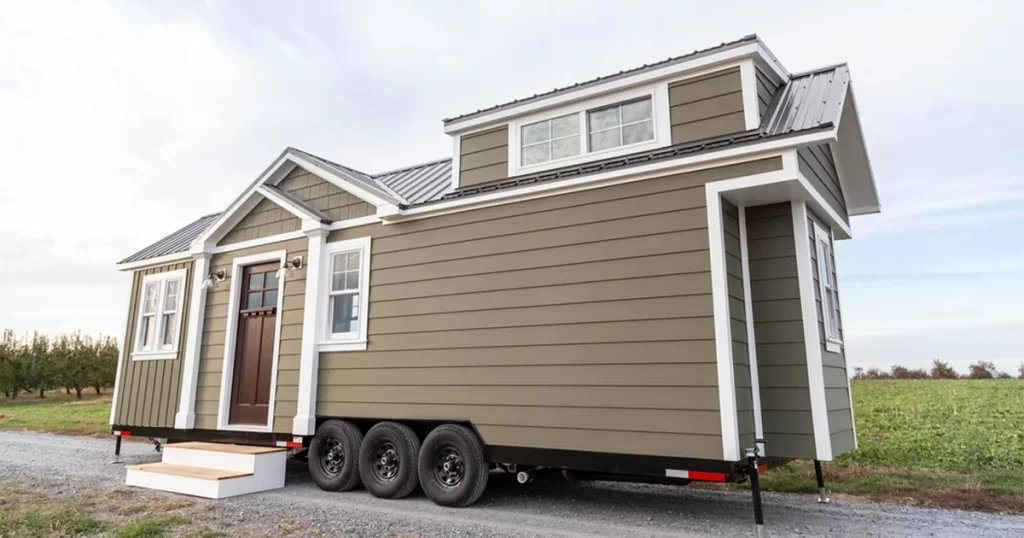
There is no single legal definition, but the International Code Council (ICC) describes tiny houses as one-story dwellings of roughly 85 to 400 square feet, many of them built on a chassis so they can be towed. The International Residential Code added an appendix for tiny houses of 400 square feet or less (Appendix Q in 2018, now Appendix AQ). It covers tiny houses on foundations and only applies where a city or county has adopted it. Tiny houses on wheels are usually regulated differently, often as RVs or park models, and the rules vary from state to state.
This matters for cost: a house on a trailer needs a purpose-built trailer and has to stay within towing and road limits, while a house on a foundation needs a foundation, permits and inspections.
| Type of build | Typical cost | Source |
|---|---|---|
| DIY tiny house (you do most of the work) | $30,000 – $60,000 | The Tiny Life |
| Builder-built (same house, hired out) | About twice the DIY cost | The Tiny Life |
| Professionally built tiny house on wheels, 2026 | $70,000 – $150,000 (most $80,000 – $130,000) | Clever Tiny Homes |
| Cost per square foot, tiny house on wheels | $150 – $450 | The Tiny Life |
The per-square-foot figure is much higher than for a regular house. That isn’t a mistake: a tiny house still needs a kitchen, a bathroom, a water heater, electrical service, windows and a roof, and those fixed costs are spread over very few square feet.
Ryan Mitchell, who built his own tiny house and runs The Tiny Life, publishes this budget for a tiny house on wheels. It covers materials and the trades you may hire out, but not land or utility connections.
| Item | Estimated cost |
|---|---|
| Trailer | $5,000 – $15,000 |
| Windows | $1,000 – $7,000 |
| Metal roofing | $1,000 – $3,000 |
| Insulation | $800 – $4,000 |
| Siding | $1,500 – $4,000 |
| Sheathing | $300 – $1,000 |
| Lumber | $2,500 – $8,000 |
| Interior finishes | $1,000 – $5,000 |
| Doors | $1,000 – $3,000 |
| Electrical | $1,500 – $5,000 |
| Shower | $600 – $2,000 |
| Water heater | $600 – $1,500 |
| HVAC | $800 – $2,500 |
| Toilet | $200 – $1,000 |
| Fixtures (lights, sinks, fans) | $1,500 – $5,000 |
| Appliances | $800 – $5,000 |
| Interior walls | $800 – $2,500 |
| House wrap | $150 – $500 |
| Subflooring | $500 – $1,200 |
| Flooring | $500 – $1,500 |
| Fasteners and adhesives | about $1,500 |
| Paint | $200 – $400 |
| Tools | $1,000 – $3,000 |
| Delivery | $500 – $10,000 |
| Sum of the ranges | about $25,250 – $92,600 |
The sum is our own addition of the ranges above. Nobody hits every low or every high number at once, which is why most DIY builds land in the $30,000–$60,000 middle.
According to the same source, about 80% of the budget goes to a handful of items: the trailer, doors and windows, the roof and the mechanical systems (electrical, plumbing, HVAC). For example, the author’s own trailer cost $3,600, doors and windows $6,000, the roof $2,600 and the HVAC $1,800.
Using the $150–$450 per square foot range for tiny houses on wheels, here is what different sizes work out to. This is simple multiplication, not a quote. Your design and finishes decide where you land.
| Floor area | Low ($150/sq ft) | High ($450/sq ft) |
|---|---|---|
| 150 sq ft | $22,500 | $67,500 |
| 200 sq ft | $30,000 | $90,000 |
| 250 sq ft | $37,500 | $112,500 |
| 300 sq ft | $45,000 | $135,000 |
| 400 sq ft | $60,000 | $180,000 |
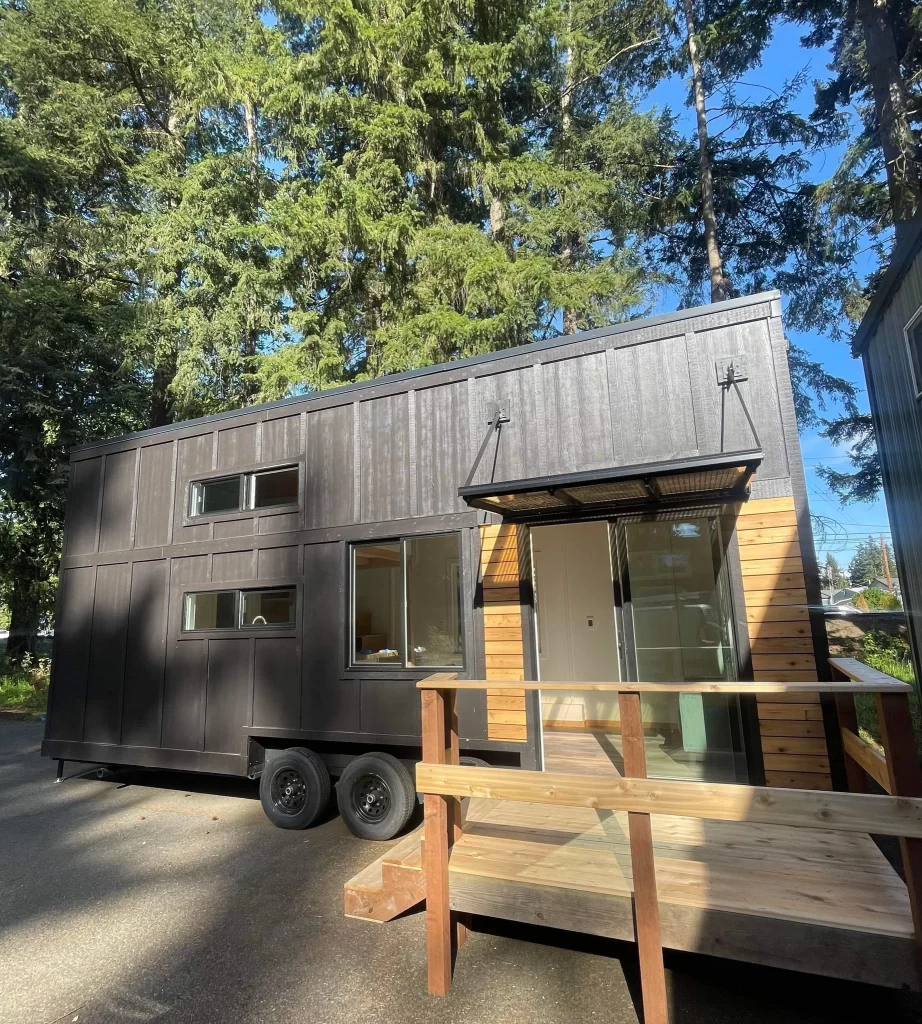
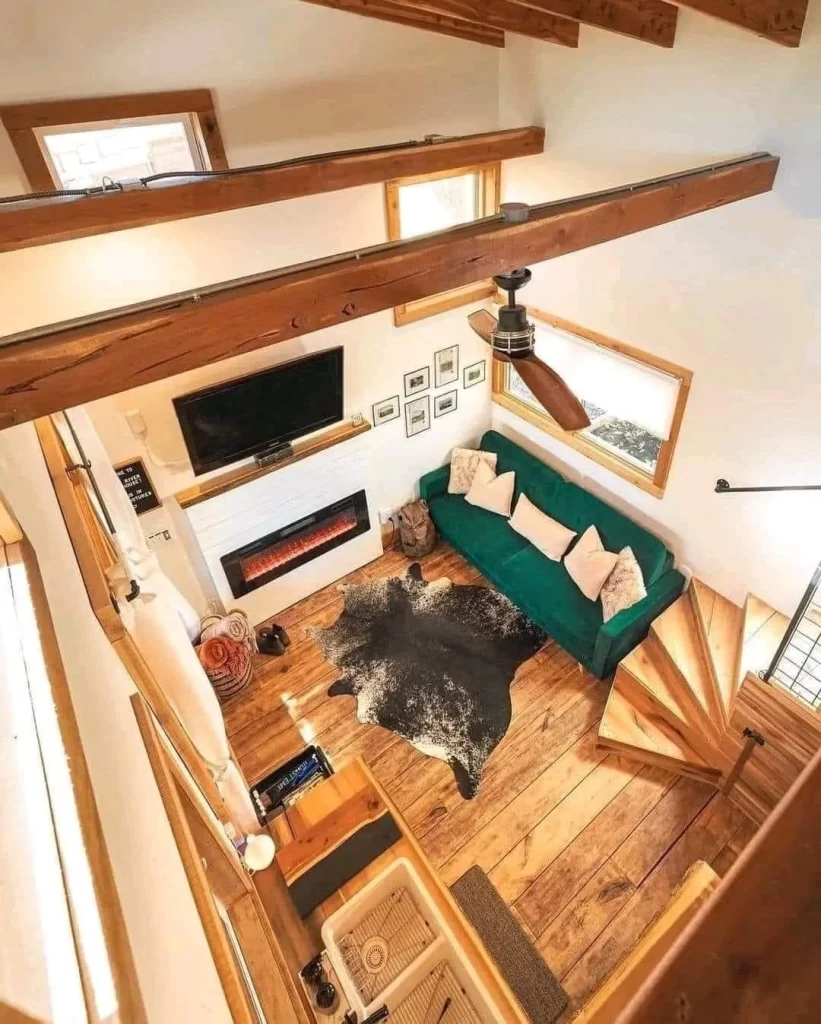
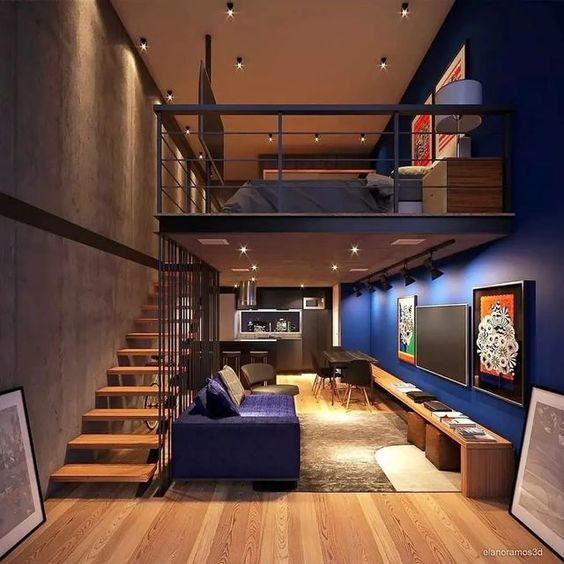
Lofts add sleeping space without adding much to the trailer footprint, so a 24-foot house with two lofts can feel much larger than its floor area suggests.
Clever Tiny Homes, a builder of tiny houses on wheels, publishes these 2026 price ranges for professionally built homes. Keep in mind that this is a builder’s estimate, and labor, climate engineering, transport distance and local rules all push prices up or down.
| Region | Typical 2026 price |
|---|---|
| California | $90,000 – $180,000+ |
| Colorado | $90,000 – $160,000 |
| Northeast and Washington | $90,000 – $160,000 |
| Oregon | $80,000 – $140,000 |
| Florida | $75,000 – $140,000 |
| Texas | $70,000 – $130,000 |
| Southeast (NC, GA, TN) | $70,000 – $120,000 |
| Midwest (OH, IN, MI) | $65,000 – $110,000 |
The price of the house is only part of the budget. These costs can come close to the cost of the house itself:
Building yourself can roughly halve the cost, but it takes time, tools and skills. Many DIY builders hire licensed pros for the riskiest parts. The Tiny Life’s author, for example, had an electrician set up the main breaker panel and a plumber check the work, and did the rest himself. Installing his own mini-split cost about $1,800 instead of an estimated $3,500 for a professional install.
Buying from a builder costs more but gets you a finished home sooner, often with certification (for example as an RV or to a recognized building standard), which can make financing, insurance and parking easier. For a deeper comparison, see Is it cheaper to buy or build a tiny house?
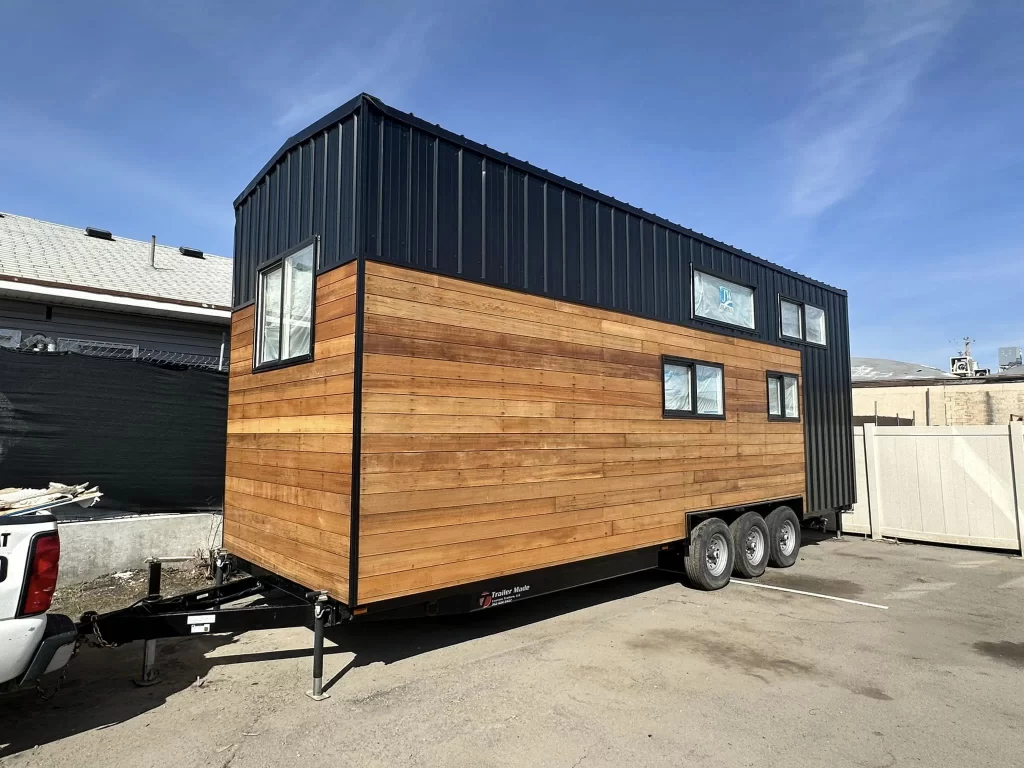
A finished tiny house on wheels is heavy, and moving it is a towing job. The trailer’s GVWR, your tow vehicle’s ratings and road size limits all set the budget for materials. On federal-aid highways the standard maximum vehicle width is 102 inches (8.5 feet), which is why most tiny houses on wheels are 8.5 feet wide. Height and length limits vary by state.
Before you buy a truck or hire a hauler, run the numbers:
Building it yourself with standard-size windows, a simple roof and basic finishes, ideally on land you already have access to. Used tiny houses can also be cheaper than new ones, but have them inspected and confirm the trailer’s rating.
No. A tiny house usually costs more per square foot because kitchens, bathrooms and mechanical systems are fixed costs. It’s the total price that’s lower.
Usually not. Land, utility hookups, permits and delivery are separate, and in some areas they cost more than the house.
It depends heavily on whether you build it yourself and how many hours you can put in. Professional builders with a factory process can finish much faster than a weekend DIY build.
Prices are estimates from the sources above and change with location, materials and time. Get local quotes before you set a budget, and check zoning and building rules where you plan to live.