Why Is Tiny House Living So Popular?

n recent years, Tiny House living has gained remarkable popularity across the world, and interest in this lifestyle continues to grow rapidly. For people seeking an escape from crowded cities, looking for a more affordable way of life, or dreaming of living closer to nature, Tiny Houses have become an attractive alternative. But what exactly makes Tiny House living so popular?
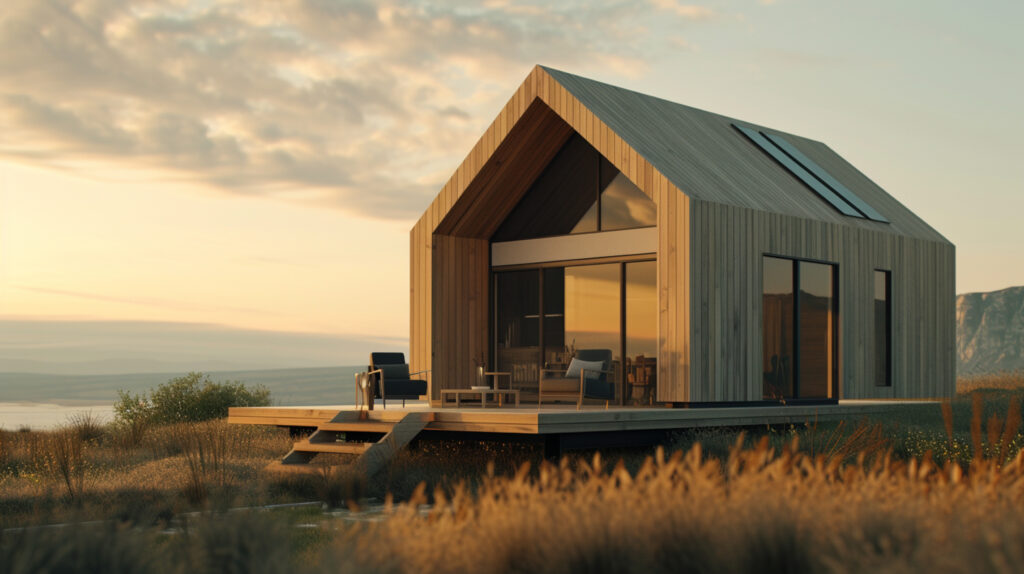
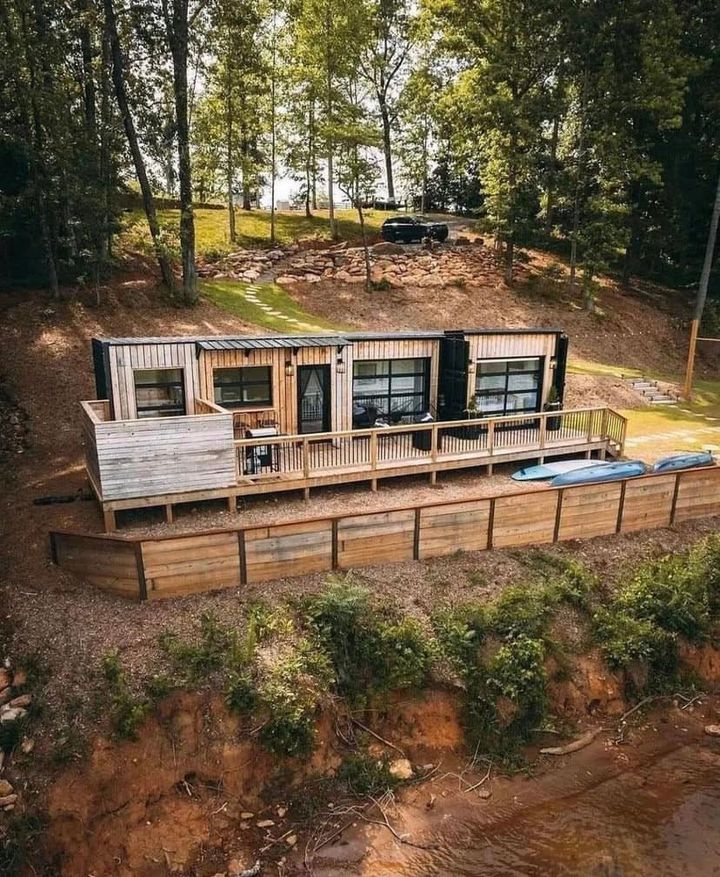
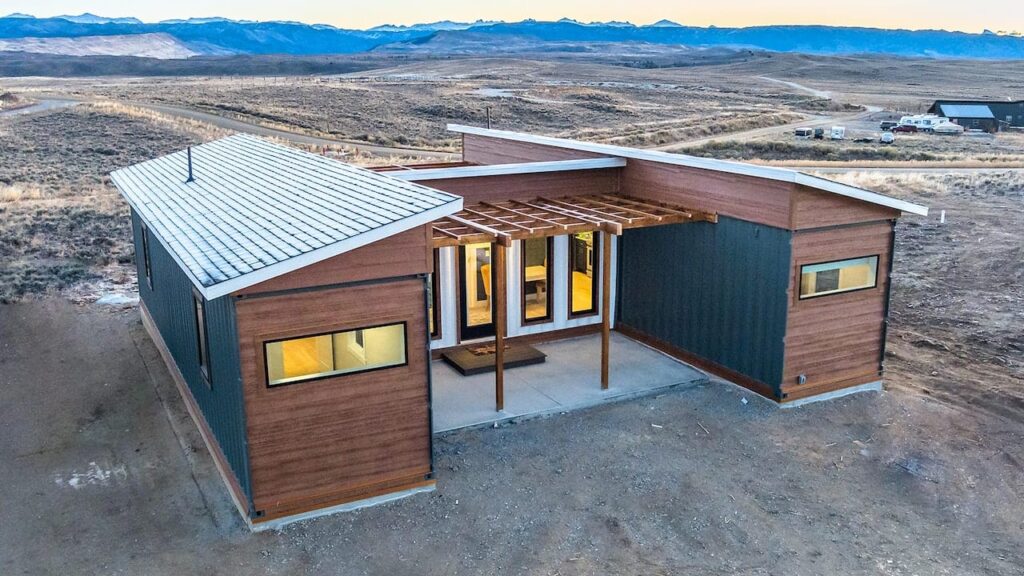
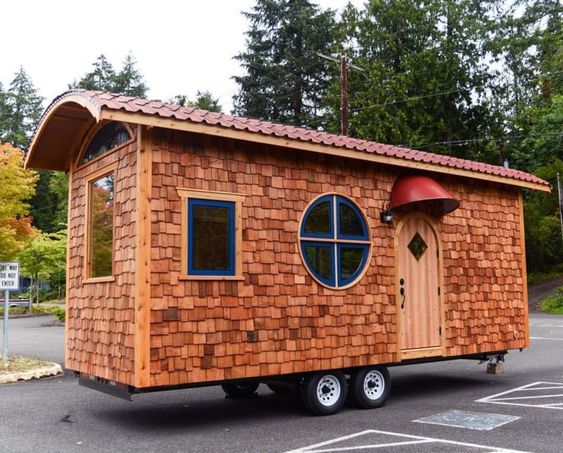
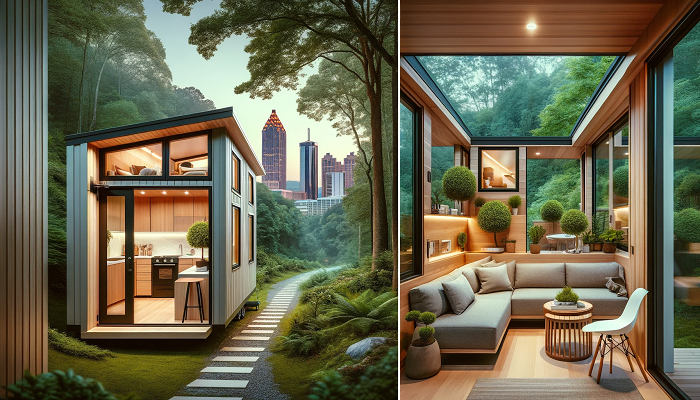
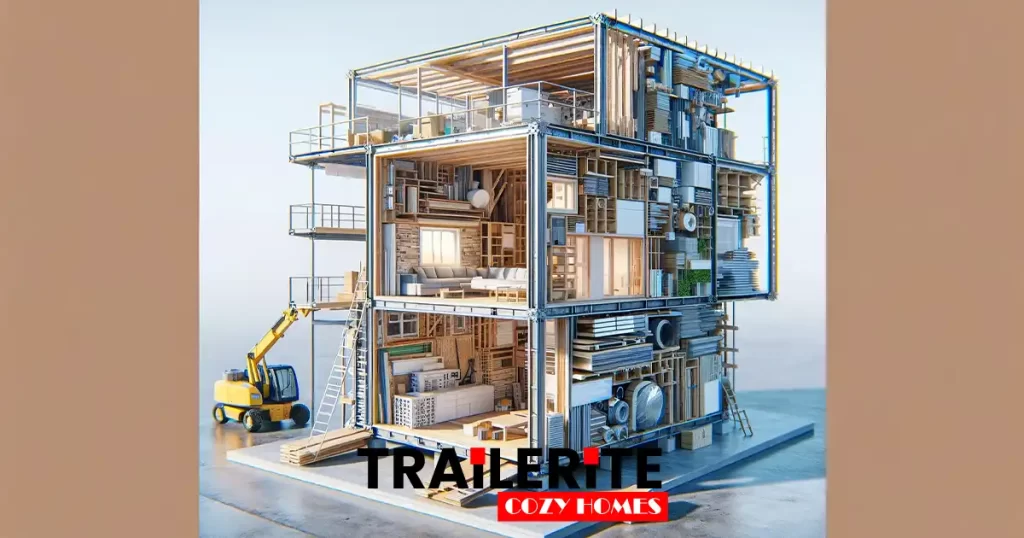
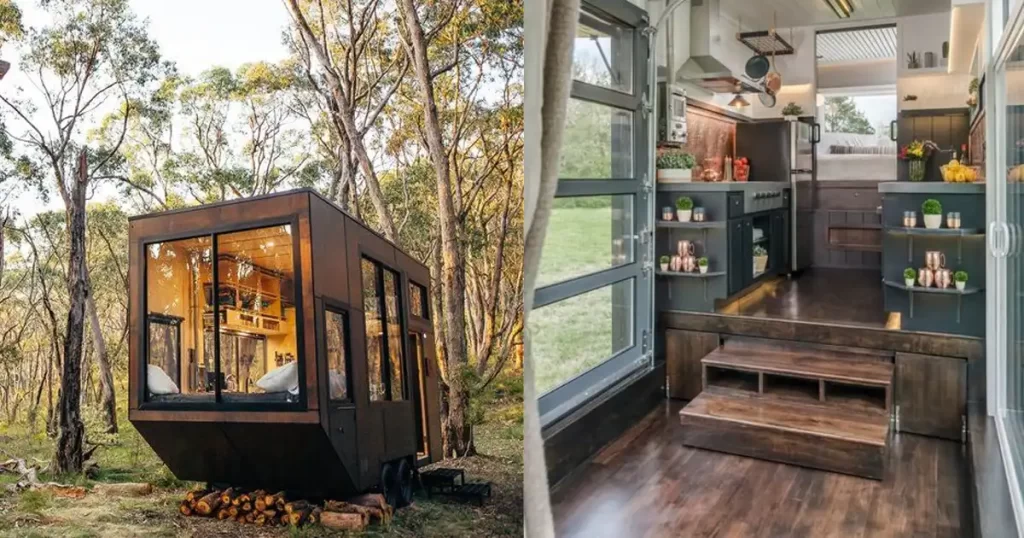
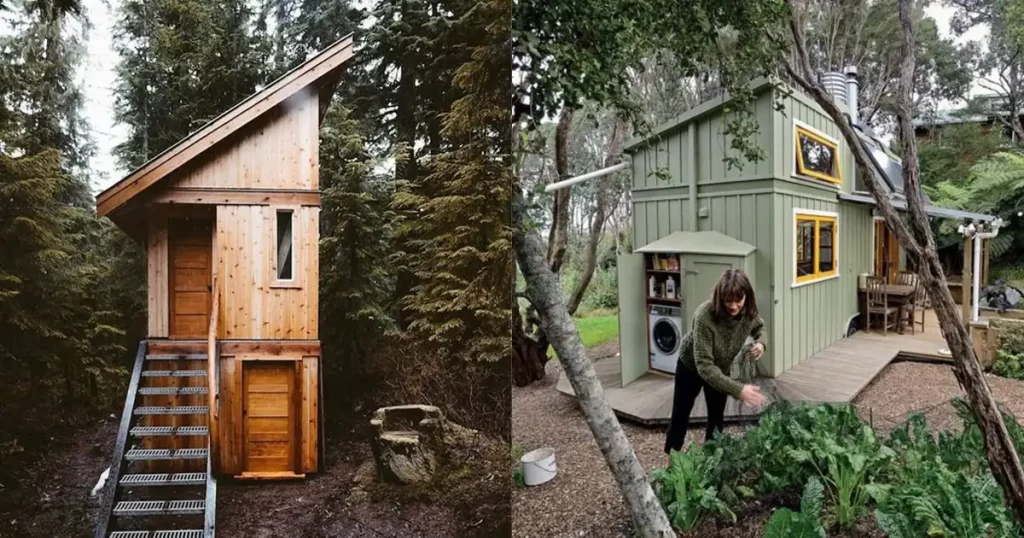
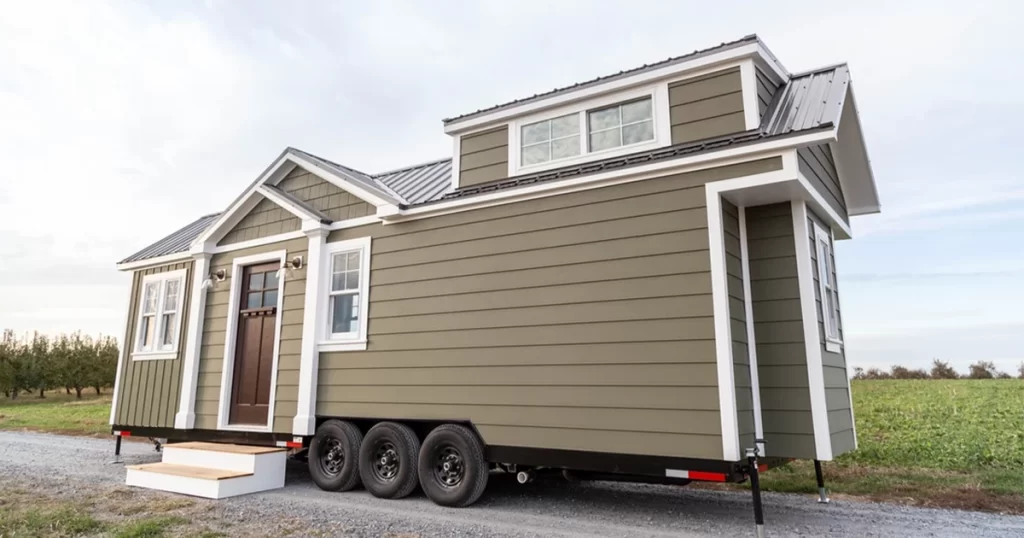
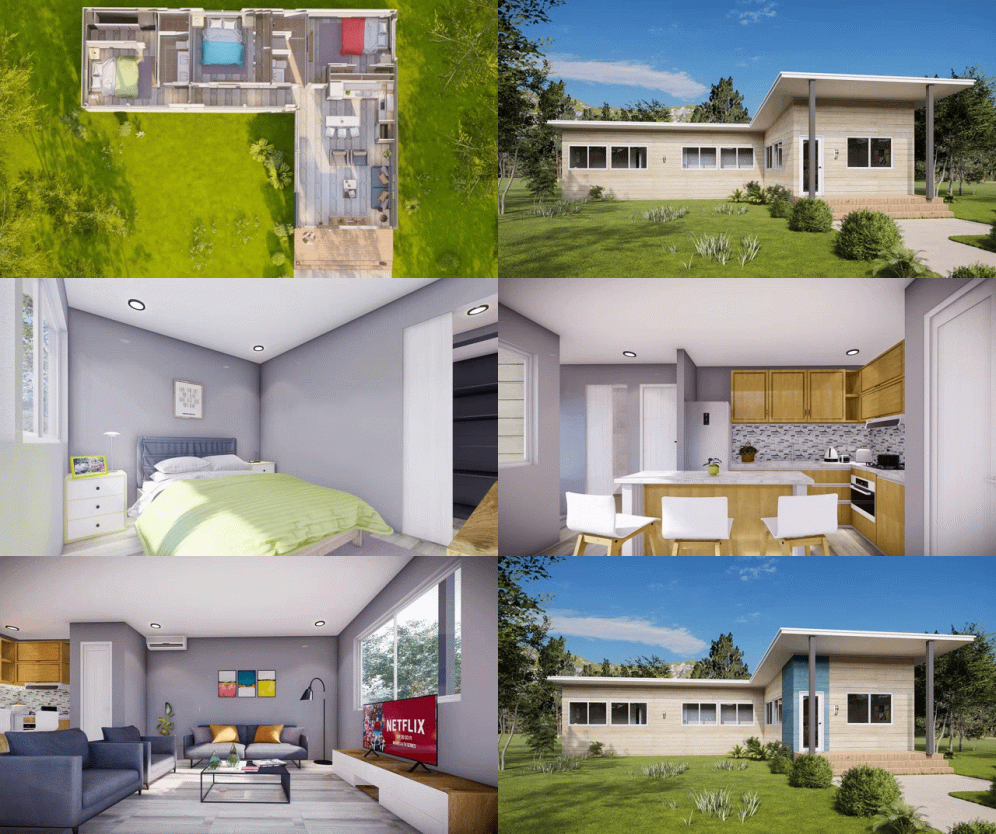
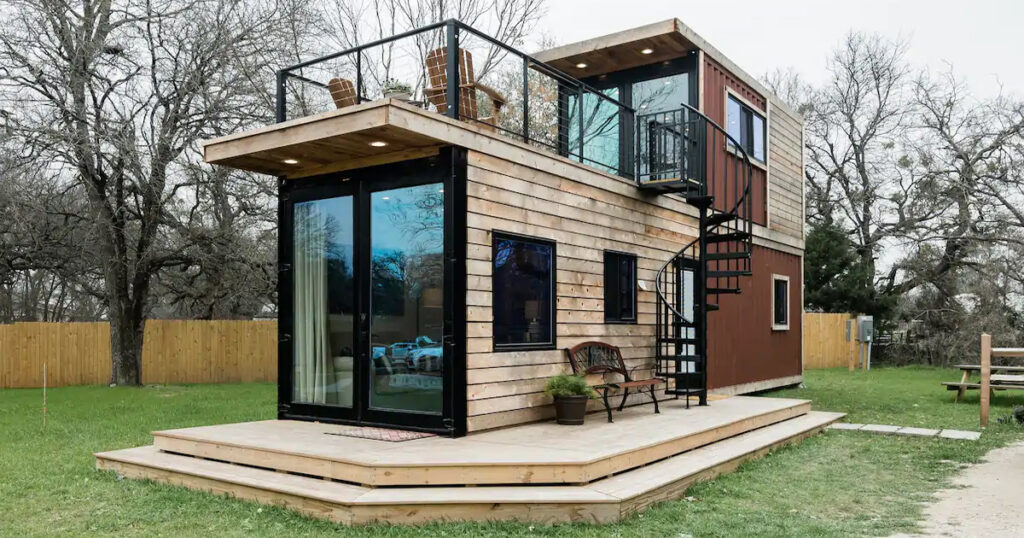
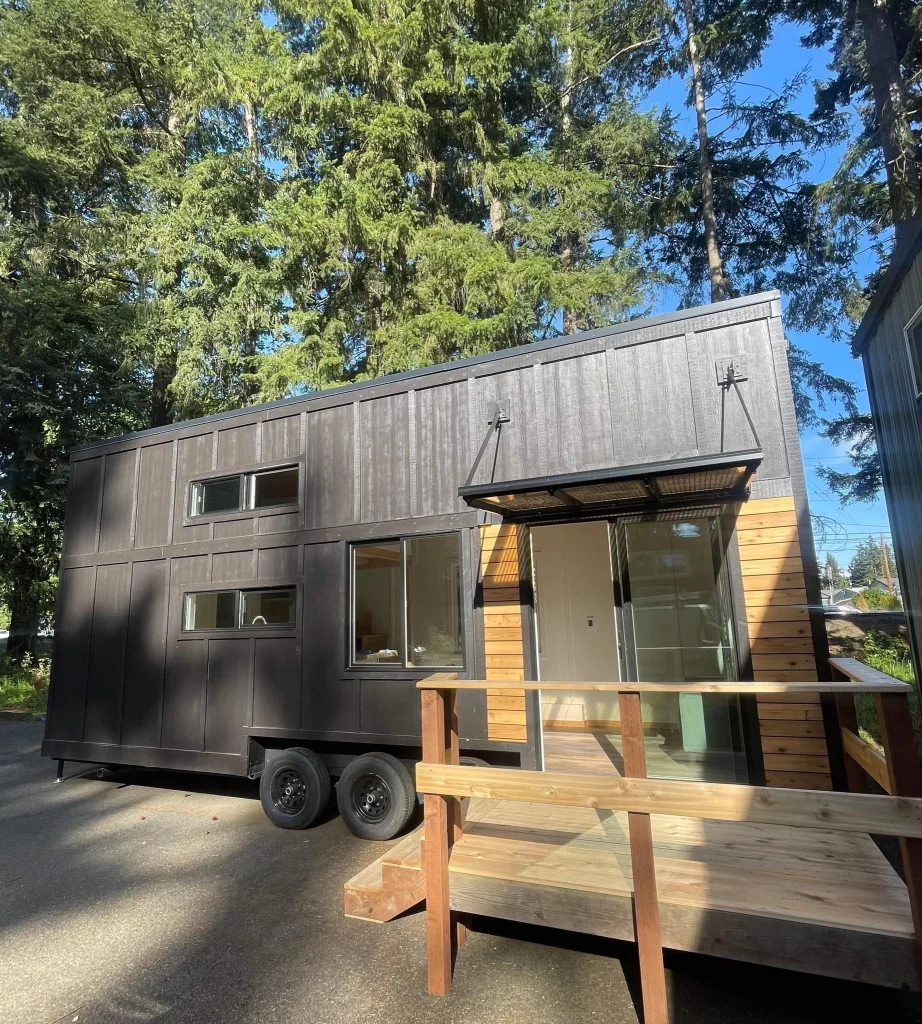
A Tiny House is a compact home, typically ranging between 10 and 40 square meters (100 to 430 square feet), designed to maximize functionality while minimizing unnecessary space. Some Tiny Houses are built on permanent foundations, while others are mobile and can be transported to different locations. With modern designs, smart storage solutions, and lower operating costs, Tiny Houses have become one of the most appealing alternative housing options available today.
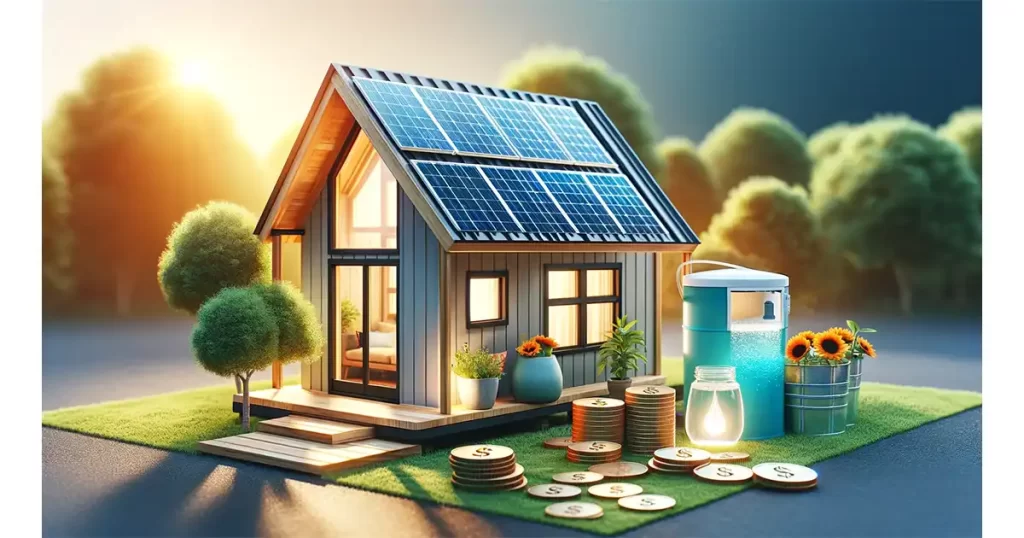
One of the biggest advantages of Tiny House living is affordability. Compared to traditional homes, Tiny Houses generally require a smaller initial investment, lower maintenance costs, and reduced utility expenses.
Tiny House owners often benefit from:
These financial benefits make Tiny Houses especially attractive to young couples, retirees, remote workers, and individuals embracing a minimalist lifestyle.
Modern consumer culture has led many people to accumulate more possessions than they truly need. As a result, minimalist living has become increasingly popular around the world.
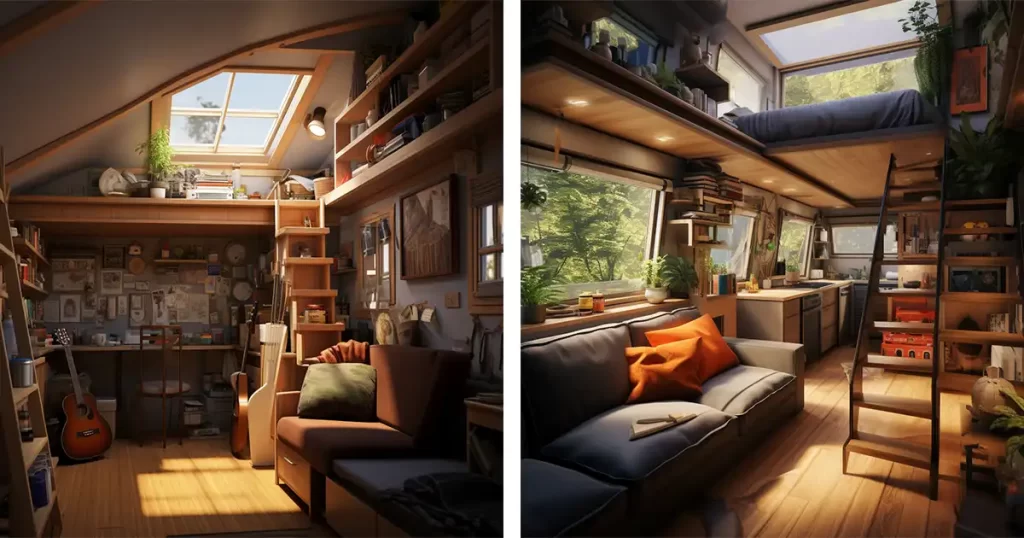
Tiny House living encourages people to focus on what truly matters by reducing unnecessary belongings. Fewer possessions often mean less clutter, less stress, and more freedom. Instead of spending time managing material goods, people can focus on experiences, personal growth, and meaningful relationships.
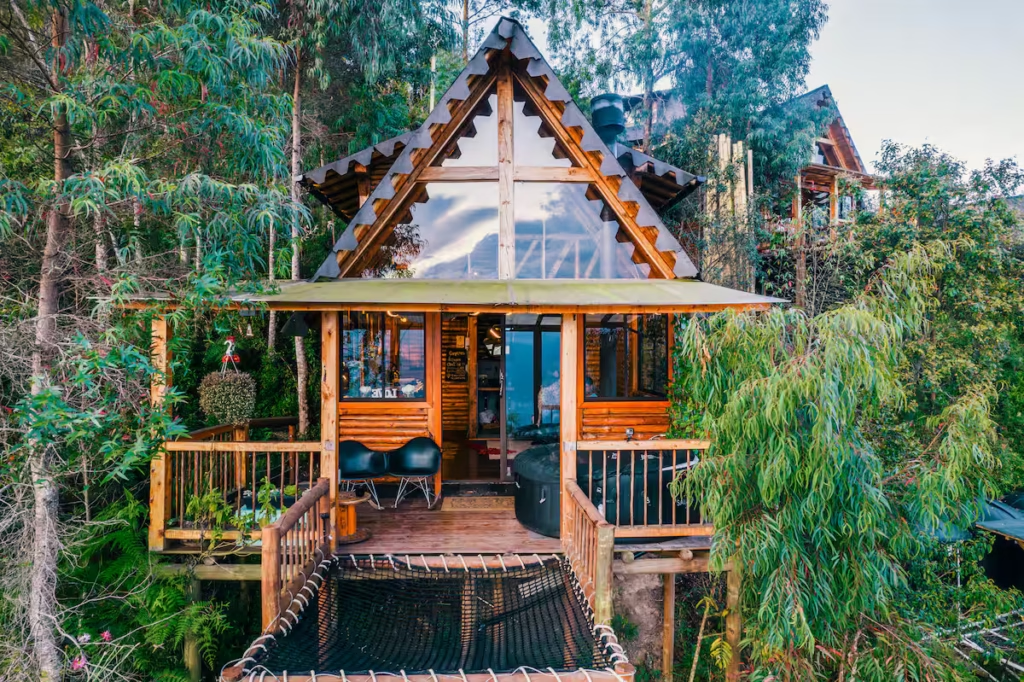
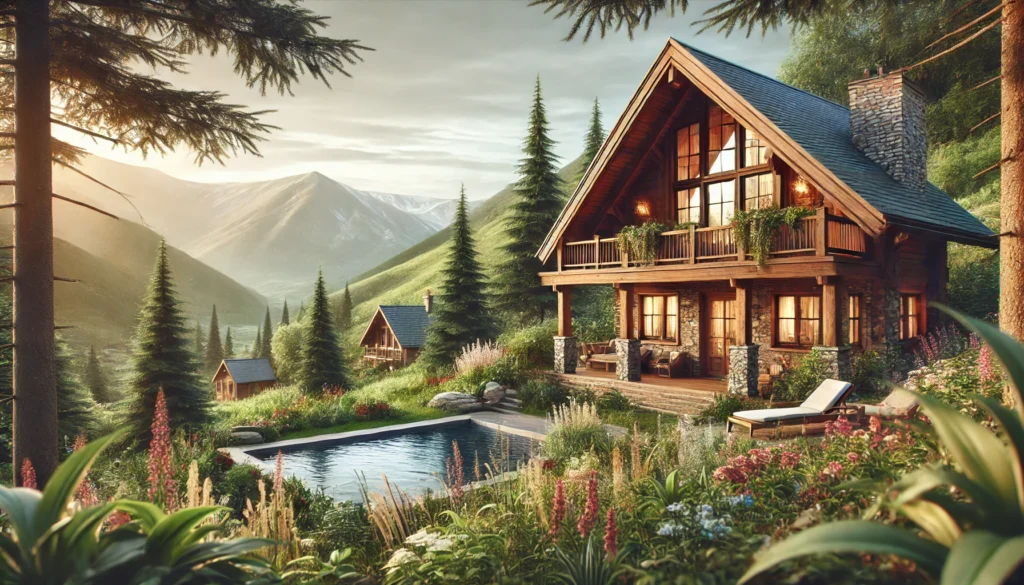
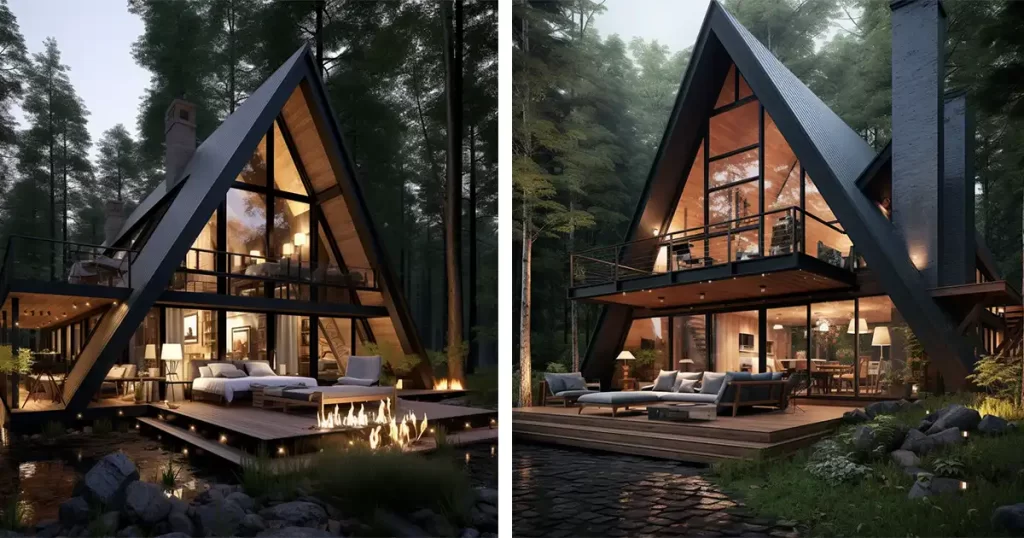
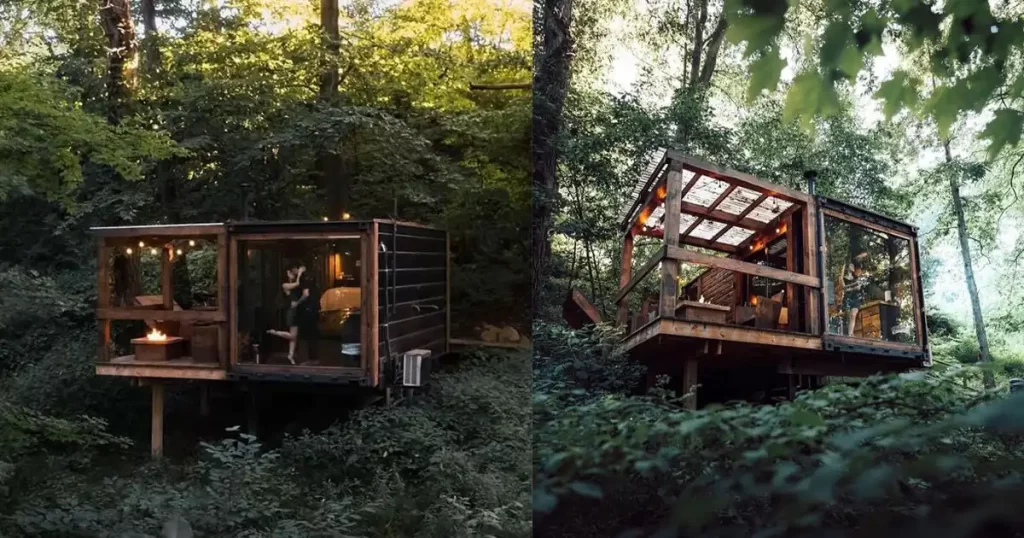
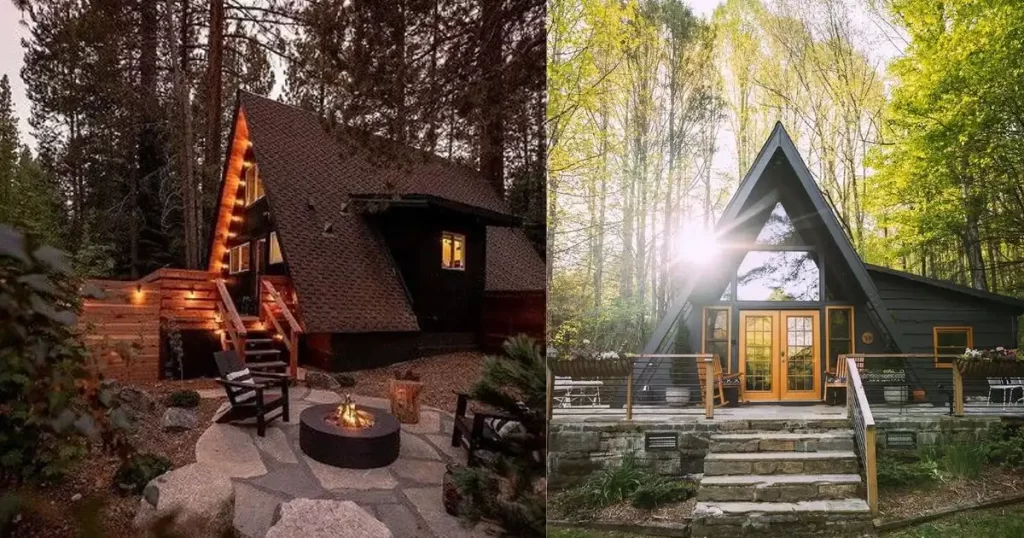
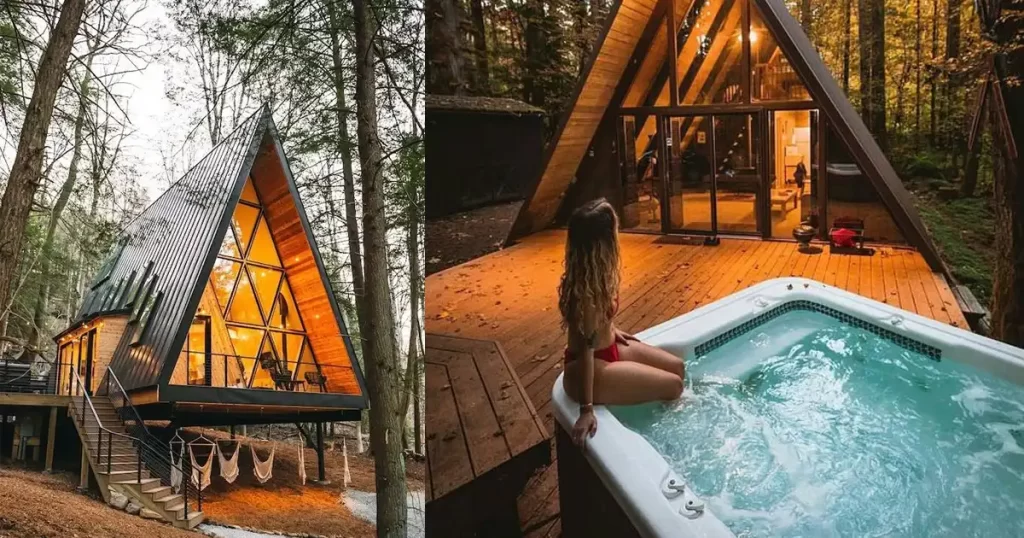
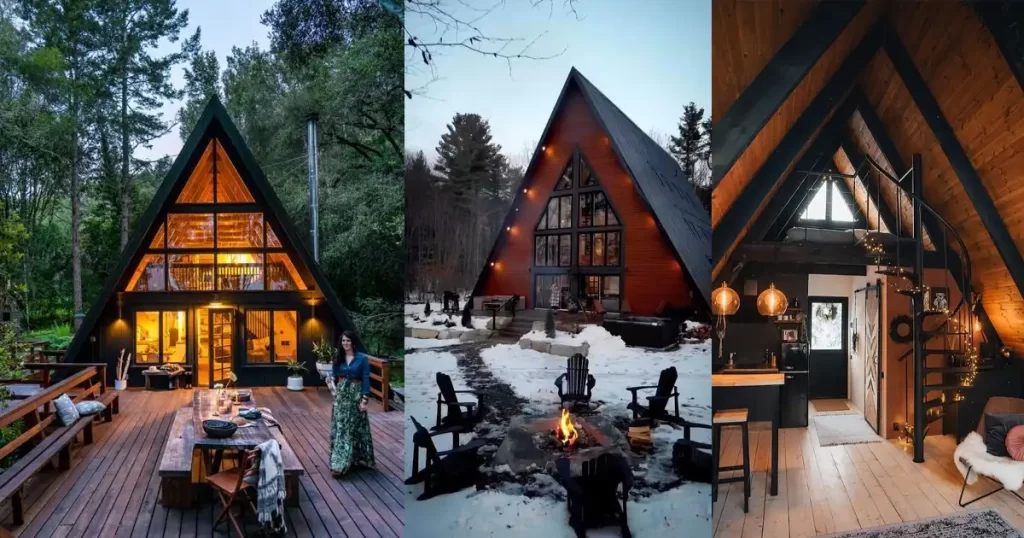
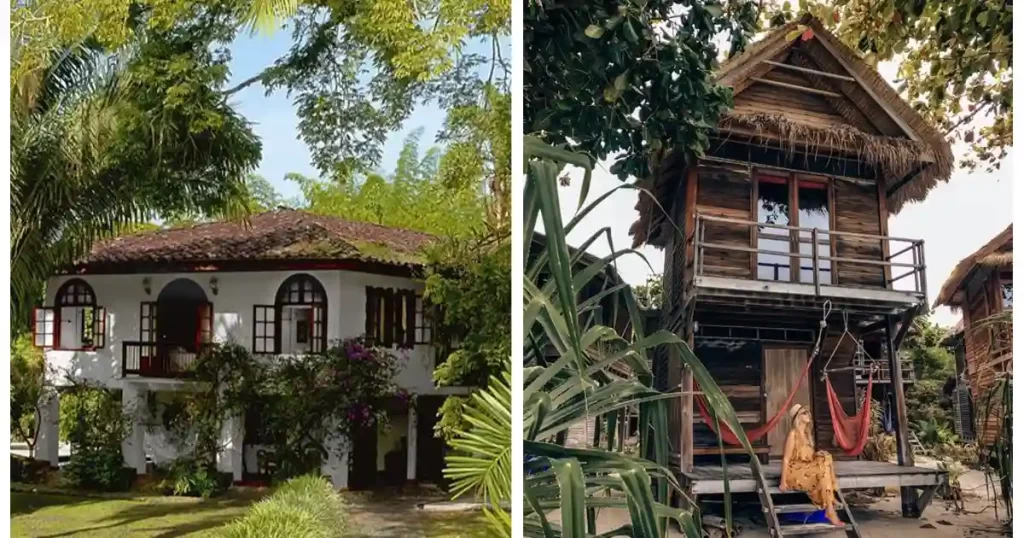
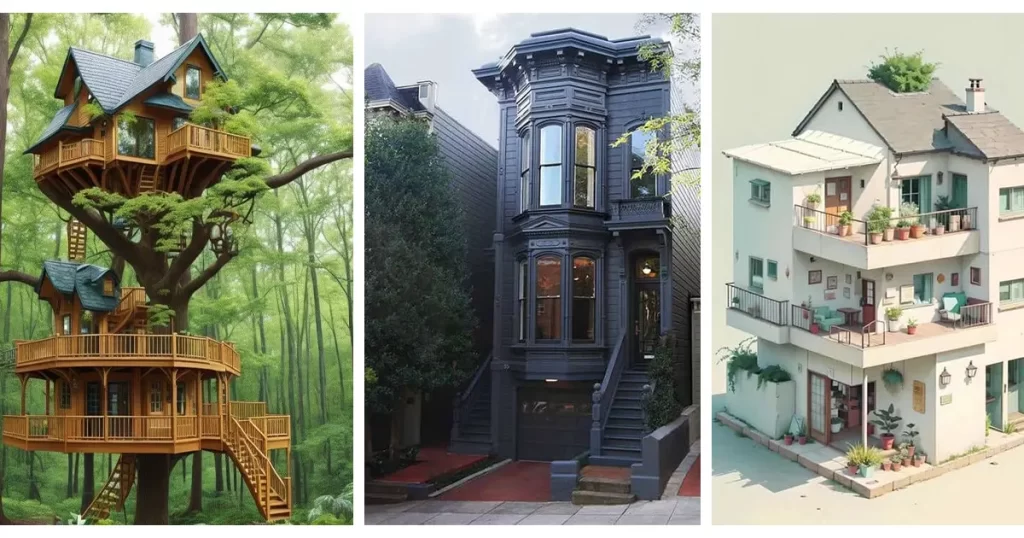
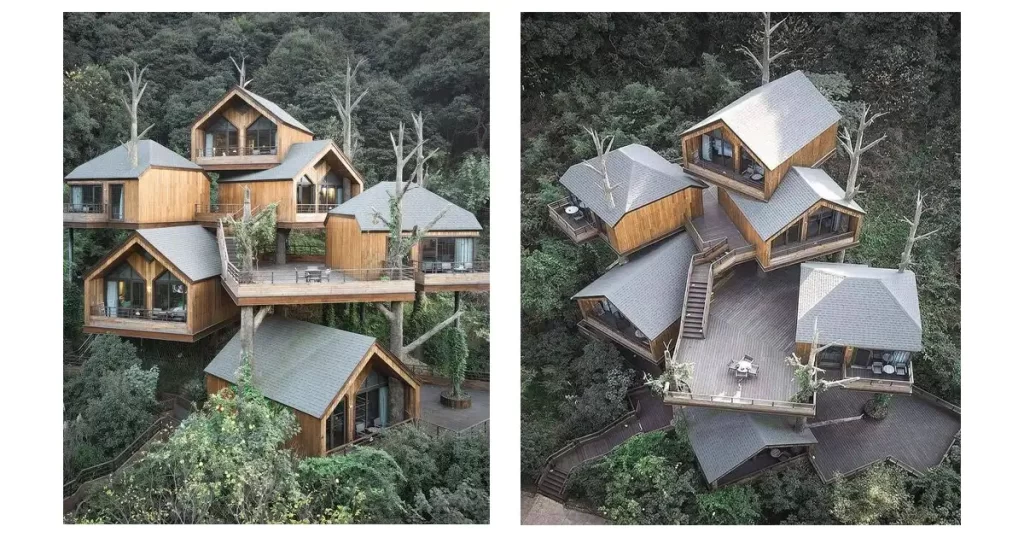
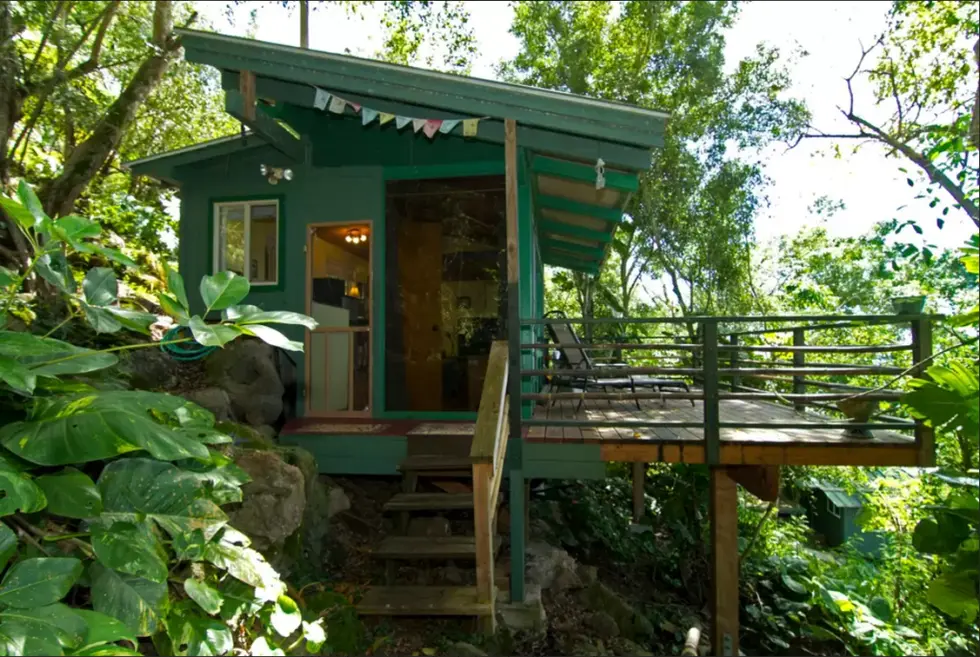
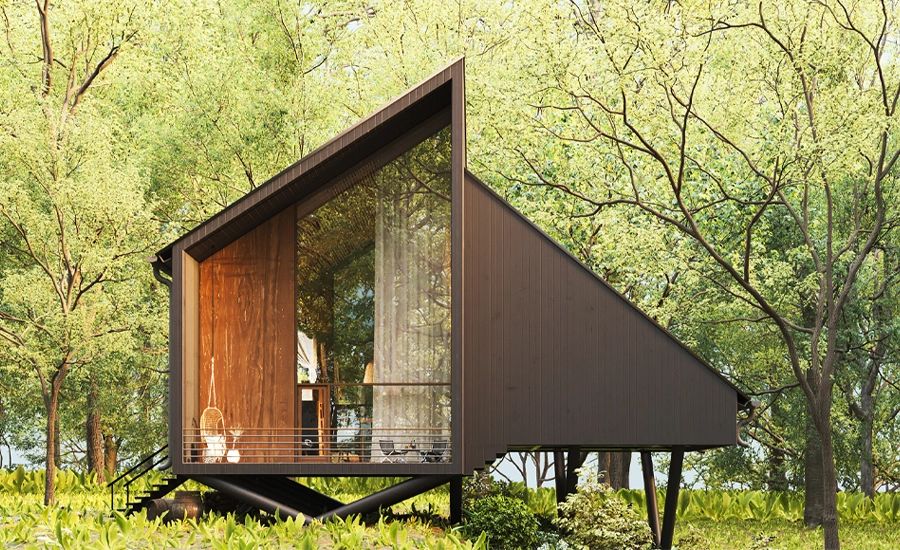
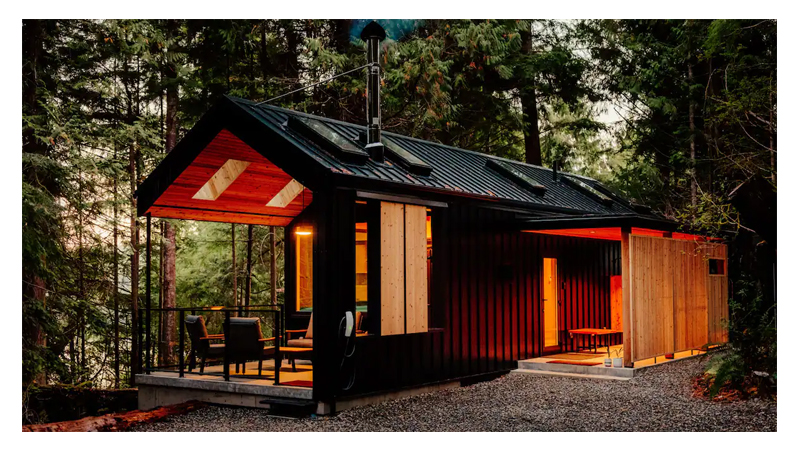
Many Tiny House owners choose to place their homes in natural settings such as forests, mountains, lakesides, or rural landscapes. This connection with nature is one of the lifestyle’s most appealing aspects.
Benefits of living closer to nature include:
With remote work becoming more common, many people are no longer tied to urban centers and can choose locations that better support their desired way of life.
Mobile Tiny Houses offer a unique level of flexibility and freedom. Owners can move their homes to different locations and enjoy changing surroundings whenever they wish.
Imagine waking up by the sea one month, surrounded by forests the next, and enjoying mountain views after that. This freedom appeals to adventurous individuals who value experiences over permanence.
Sustainability is becoming increasingly important worldwide, and Tiny Houses can support a more environmentally conscious way of living.
Because they are smaller, Tiny Houses generally consume less energy for heating and cooling. Many models can also incorporate:
For people looking to reduce their environmental impact, Tiny House living offers a practical and responsible solution.
Tiny House living can be an excellent choice for:
Rising housing prices, changing lifestyle preferences, and growing environmental awareness continue to drive the expansion of the Tiny House movement. Experts believe that Tiny Houses will become more than just a trend and may evolve into a mainstream housing alternative in the coming years.
As people increasingly prioritize freedom, affordability, and sustainability, Tiny Houses are likely to play an important role in the future of residential living.
The popularity of Tiny House living goes far beyond simply living in a smaller space. It represents a lifestyle centered on freedom, simplicity, affordability, and a closer connection to nature.
For those seeking a more intentional way of life with fewer possessions and more meaningful experiences, Tiny House living offers an inspiring alternative. If you’ve ever dreamed of simplifying your life while gaining more freedom, exploring the world of Tiny Houses could be the perfect place to start.