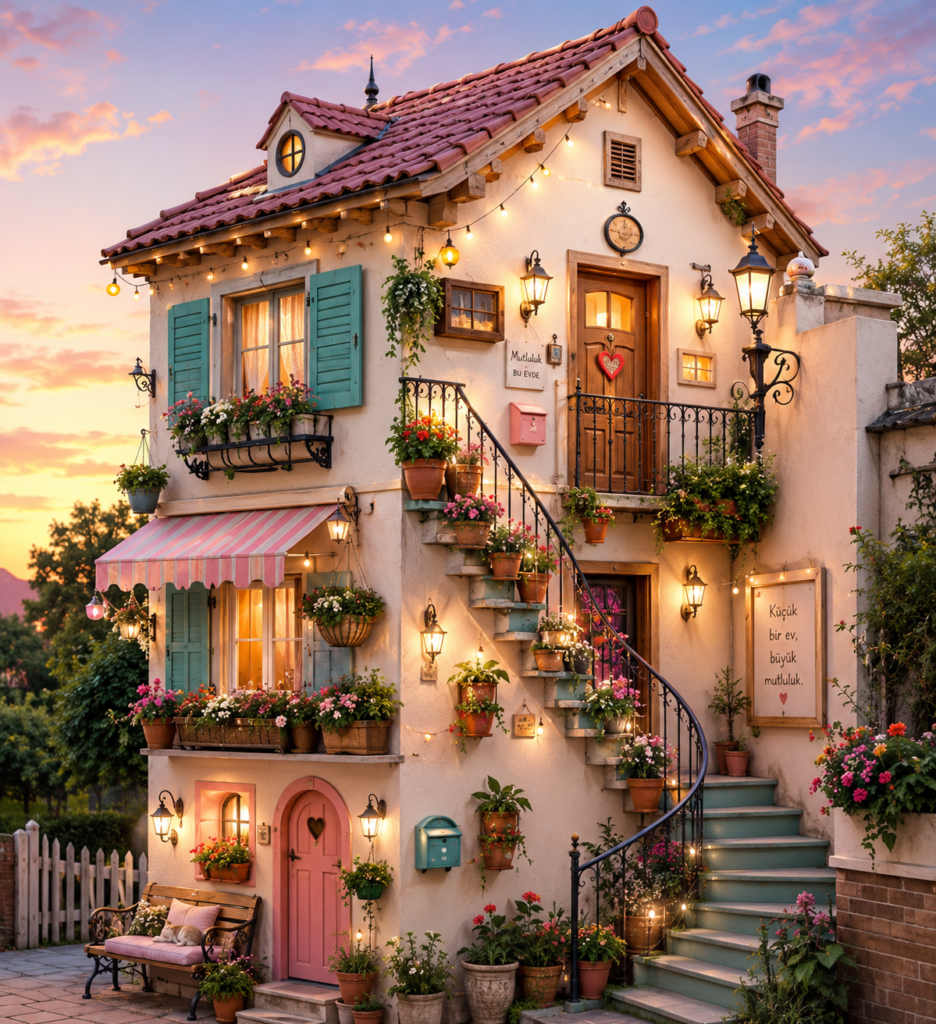
Why Is Tiny House Living So Popular?

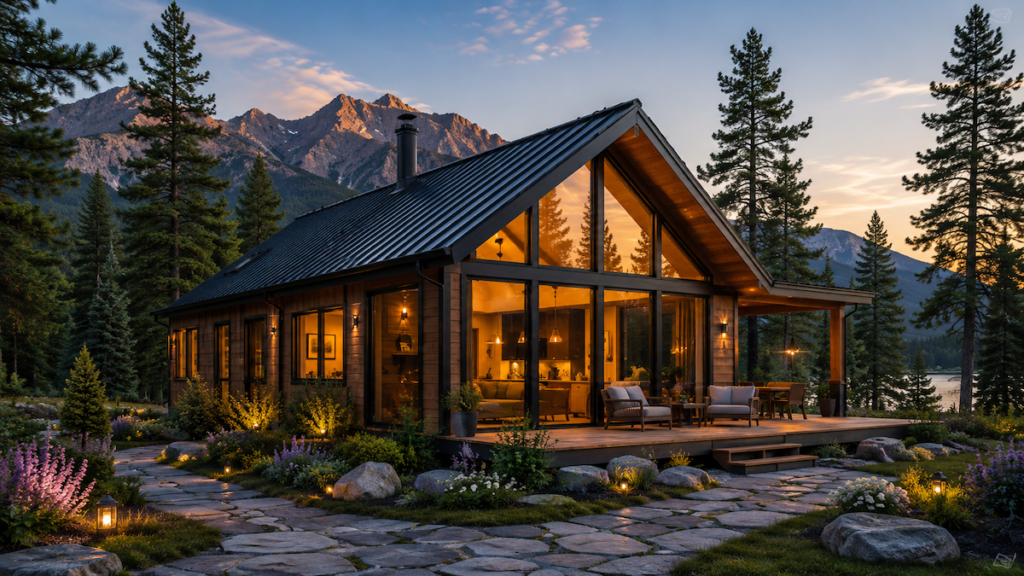
In a world where simplicity, affordability, and sustainability are becoming increasingly important, small house plans have emerged as one of the most popular housing solutions. Whether you’re dreaming of a cozy retreat in nature, a modern minimalist home, or a practical residence that reduces living expenses, small homes offer an attractive alternative to traditional housing.
Small houses are no longer viewed as compromises. Instead, they represent a smarter way of living. With thoughtful layouts, efficient use of space, and innovative design concepts, modern small homes provide everything needed for comfortable daily life while eliminating unnecessary square footage and maintenance costs.
At Trailerite, we believe that great design is not measured by size but by functionality, comfort, and lifestyle compatibility. Small house plans allow homeowners to create beautiful living spaces that maximize every square foot while maintaining architectural appeal and practicality.
Whether you’re planning your first home, a vacation cabin, a retirement retreat, or a backyard guest house, exploring small house plans can help you find the perfect balance between affordability, efficiency, and modern living.
Small house plans are architectural designs specifically created for homes with a compact footprint while maintaining comfort, functionality, and visual appeal. Although there is no universal definition, most small houses range between 400 and 1,500 square feet, depending on the intended use and lifestyle requirements.
These plans focus on intelligent space utilization rather than excessive square footage. Every room is carefully designed to serve multiple purposes, improve traffic flow, and maximize natural light. As a result, small homes often feel larger and more open than their actual dimensions suggest.
Modern small house plans come in various architectural styles, including:
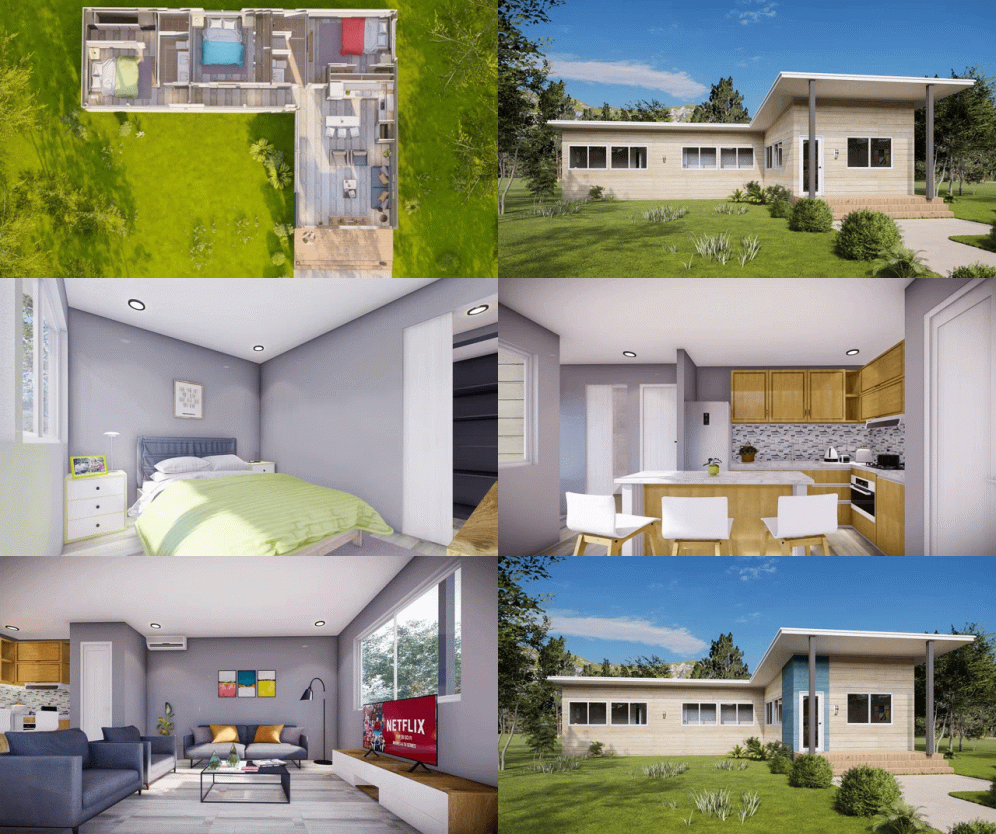
One of the key advantages of small house plans is flexibility. Homeowners can choose layouts with one, two, or even three bedrooms while maintaining a manageable size. Open-concept kitchens and living areas, multifunctional furniture, loft spaces, and large windows are common features found in many contemporary small home designs.
Small house plans are also popular among homeowners seeking lower construction costs, reduced utility bills, easier maintenance, and a more sustainable lifestyle. By prioritizing efficiency and eliminating wasted space, these homes provide a practical solution for modern living.
The popularity of small houses has increased dramatically over the past decade. Economic factors, environmental awareness, and changing lifestyle preferences have encouraged people around the world to reconsider the idea that bigger is always better.
One of the primary reasons people choose small house plans is affordability. Smaller homes generally require fewer materials, lower labor costs, and reduced land requirements. This can significantly lower the overall cost of homeownership compared to larger traditional houses.
In addition to construction savings, small homeowners benefit from:
These financial advantages make small homes especially appealing to first-time buyers, young families, and retirees.
Modern lifestyles often involve busy schedules and increasing financial pressures. Many homeowners are choosing smaller homes as part of a broader movement toward simplicity and intentional living.
A smaller house naturally encourages people to focus on what truly matters. With less space to maintain and fewer possessions to manage, homeowners can spend more time enjoying experiences, hobbies, travel, and family life.
Environmental concerns are also driving demand for small house plans. Smaller homes consume fewer resources during construction and require less energy throughout their lifespan.
Benefits include:
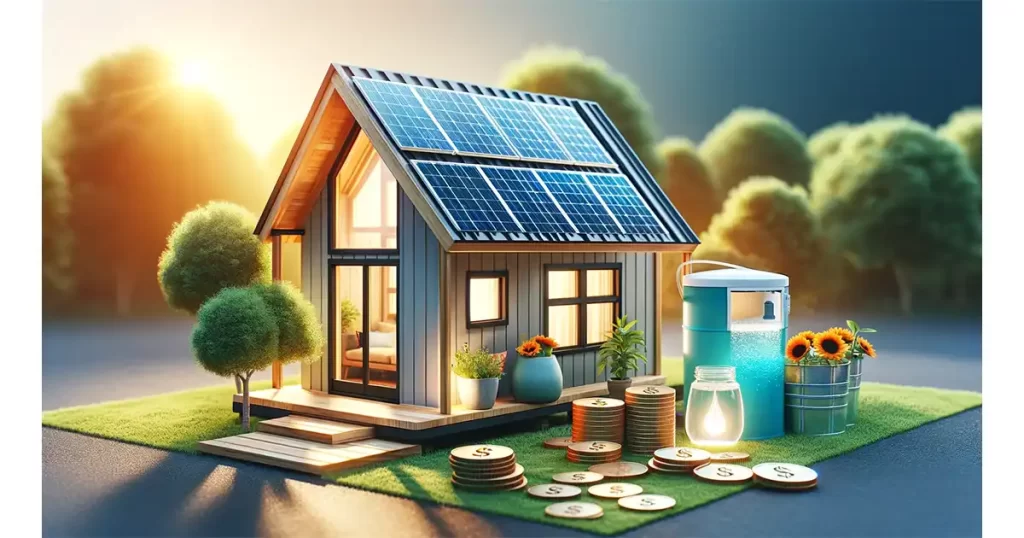
Many modern small houses incorporate sustainable features such as solar panels, energy-efficient windows, rainwater collection systems, and eco-friendly building materials.
Small house plans are highly adaptable to different lifestyles and locations. They can be used as:
This versatility makes them attractive to a wide range of homeowners seeking flexibility and long-term value.
Today’s architects and designers have transformed the way small homes function. Innovative layouts, built-in storage solutions, open floor plans, and multipurpose rooms allow homeowners to enjoy comfortable living without unnecessary square footage.
Large windows, vaulted ceilings, loft areas, and seamless indoor-outdoor connections help create spacious interiors that feel much larger than expected.
As urban areas continue to grow and housing affordability becomes an increasing challenge, small house plans are expected to play an even greater role in the future of residential design.
More people are recognizing that a well-designed small home can provide everything needed for a comfortable, stylish, and fulfilling lifestyle. Rather than focusing on size alone, homeowners are prioritizing efficiency, sustainability, and quality of life.
For those seeking a practical, affordable, and modern housing solution, small house plans offer an exciting opportunity to build smarter and live better.
Small house plans continue to evolve as architects and homeowners seek smarter, more efficient ways to live. Modern designs prove that comfort, style, and functionality do not depend on square footage. Whether you’re building a permanent residence, a vacation retreat, or a rental property, there is a small house plan designed to fit your lifestyle.
The most successful small house designs share several important characteristics:
Below are some of the most inspiring small house plan concepts gaining popularity around the world.
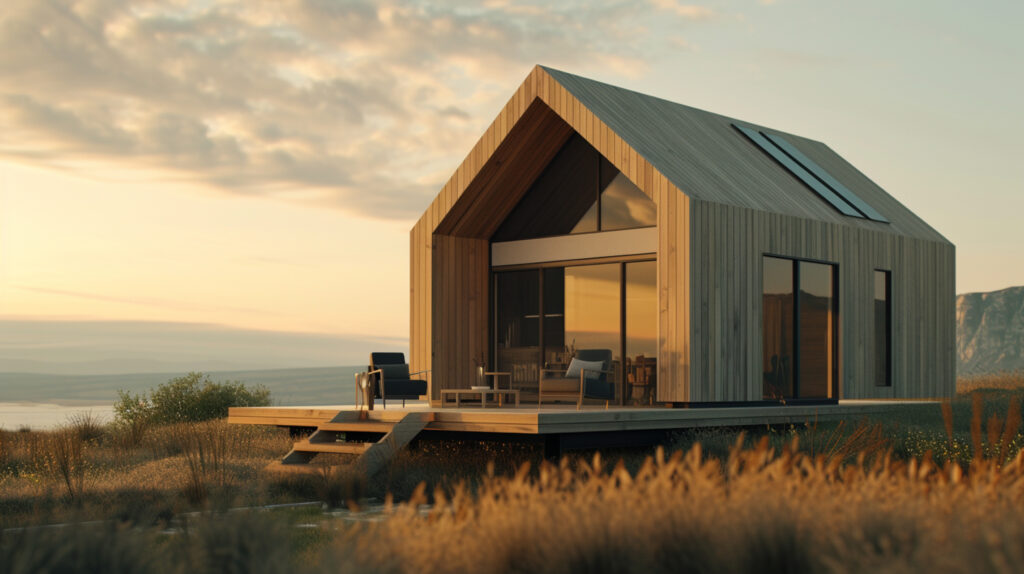
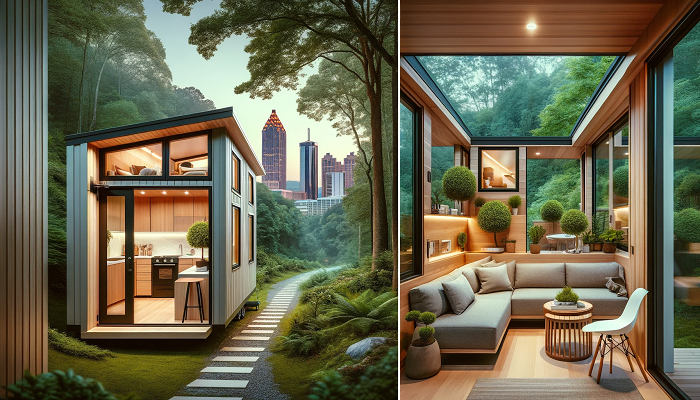
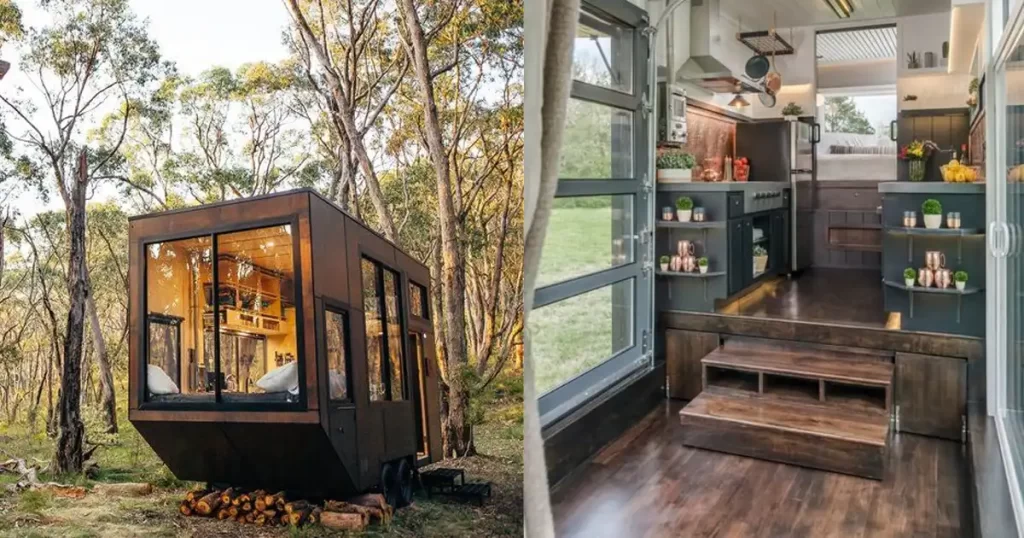
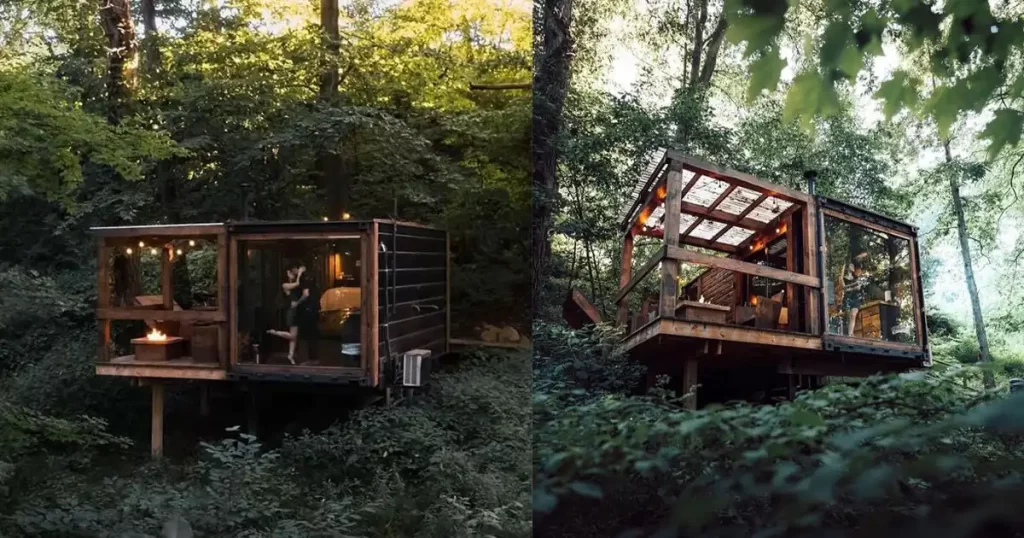
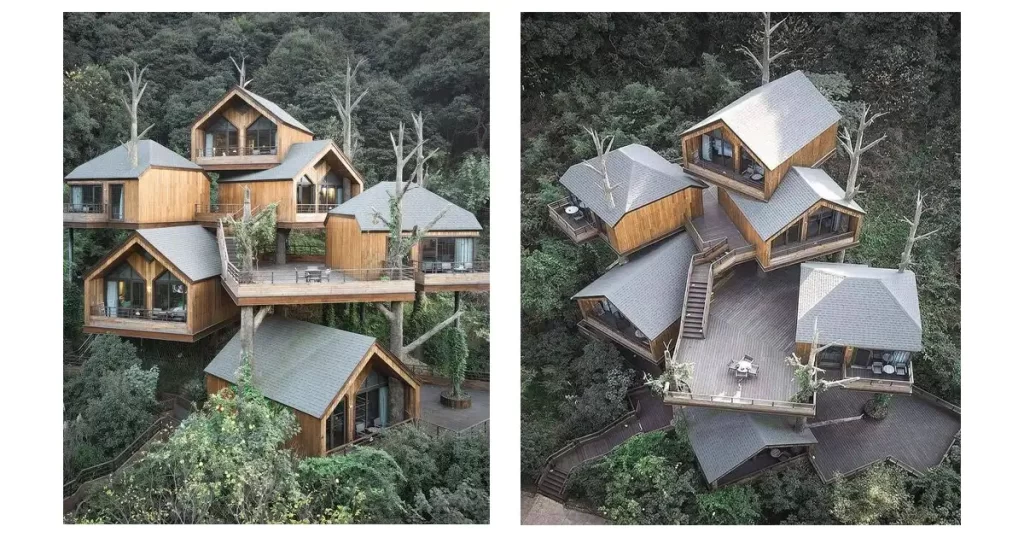
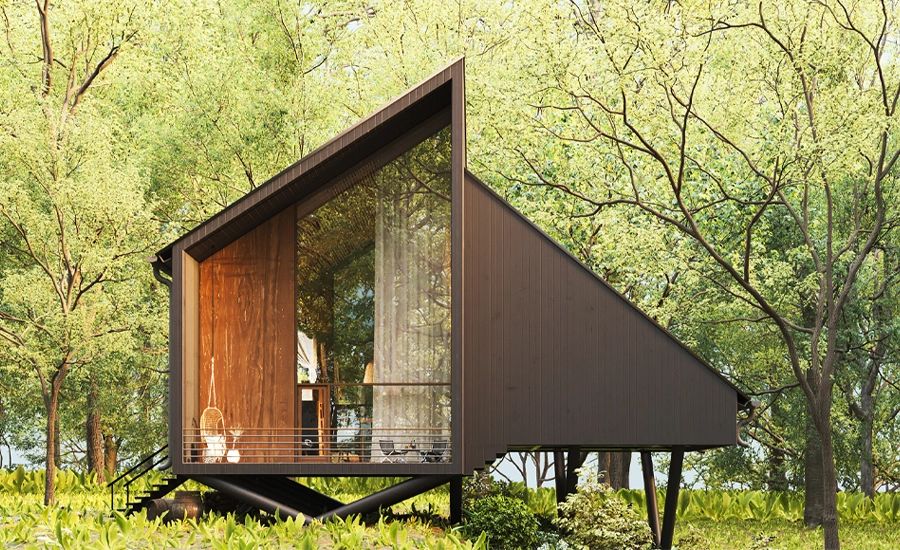
A modern forest retreat combines contemporary architecture with natural surroundings. Large glass walls create uninterrupted views while natural wood finishes help the home blend into the landscape.
This style is ideal for nature lovers seeking peace and privacy.
Scandinavian architecture focuses on simplicity, functionality, and natural light. These homes often feature bright interiors, minimalist finishes, and highly efficient floor plans.
Scandinavian-inspired homes remain among the most searched small house plans online.
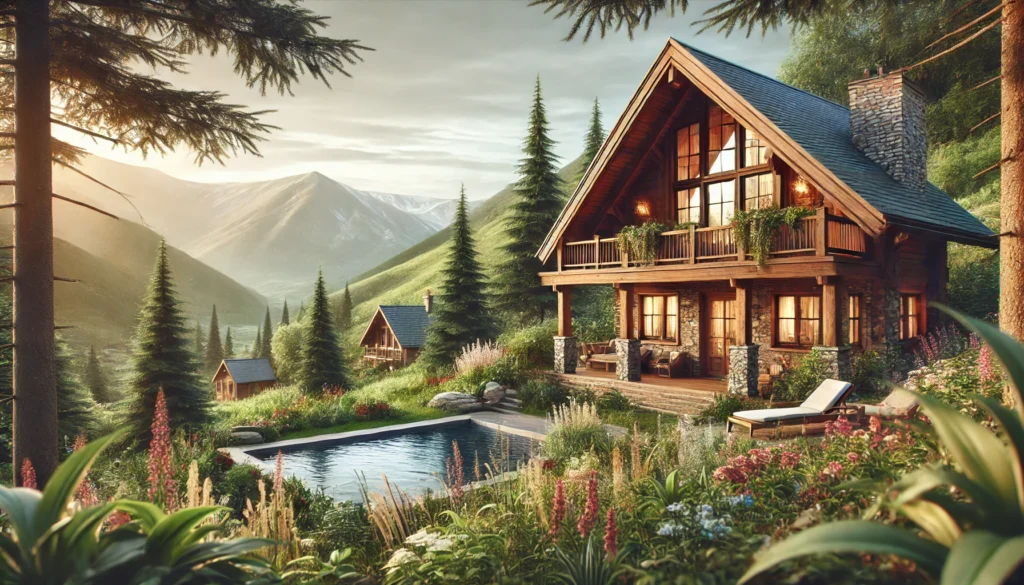
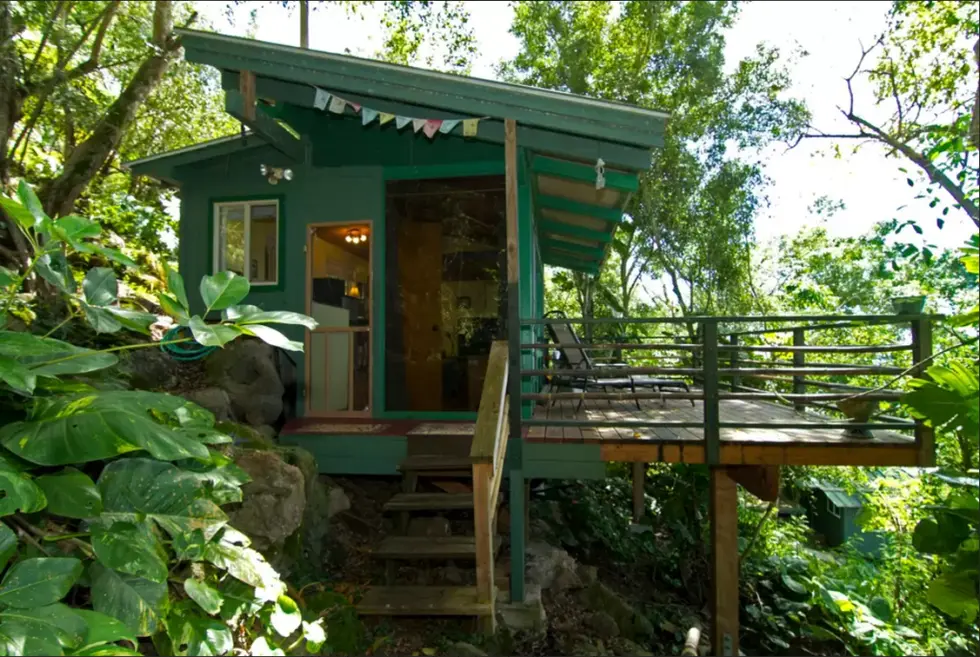
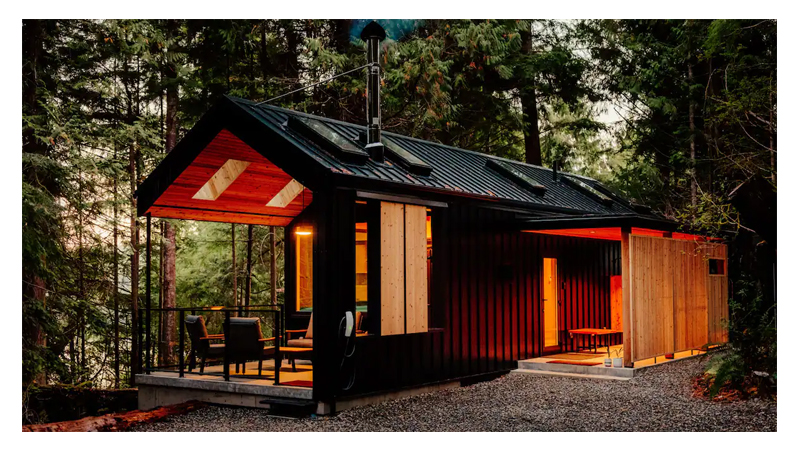
Mountain cabins offer a timeless combination of comfort and rustic charm. Modern versions include contemporary features while preserving the cozy atmosphere that makes cabin living so appealing.
These plans work particularly well in remote and scenic locations.
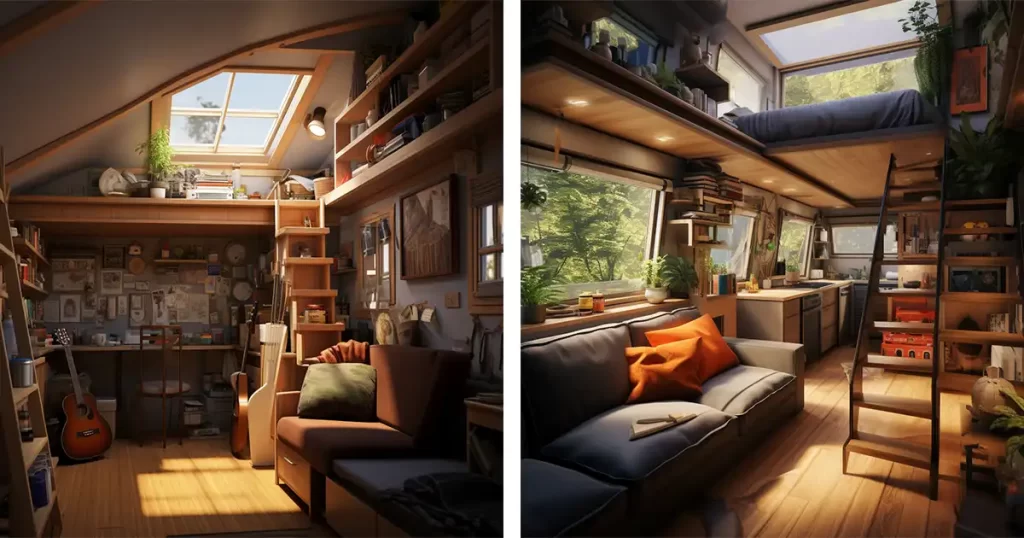
Loft spaces allow homeowners to maximize vertical space while maintaining a smaller building footprint.
Loft house plans are among the most practical solutions for compact living.
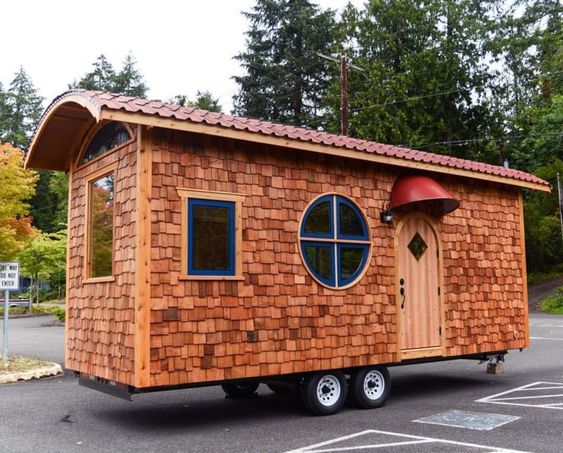
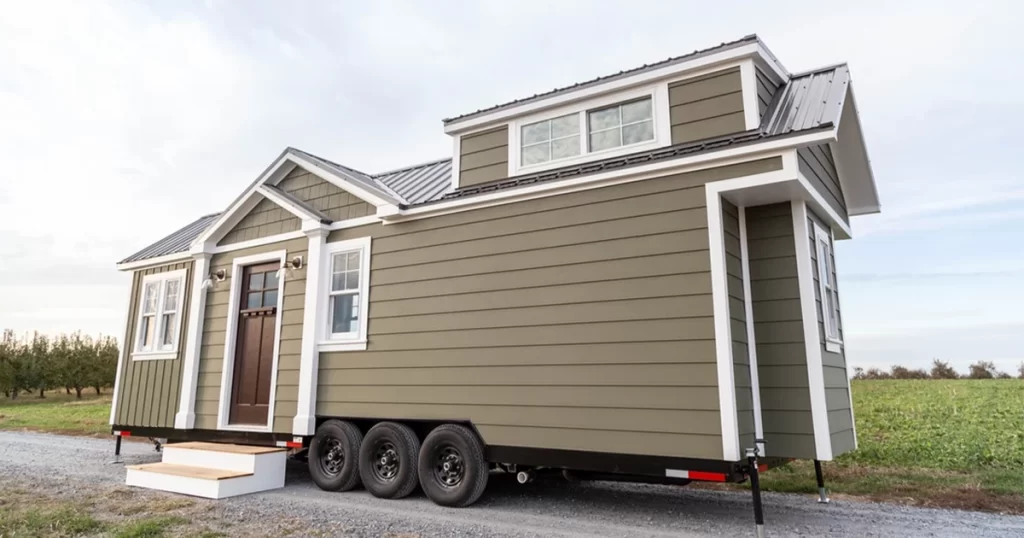
Tiny houses on wheels have become increasingly popular among individuals seeking mobility and financial freedom.
Many homeowners use these designs as full-time residences or vacation homes.
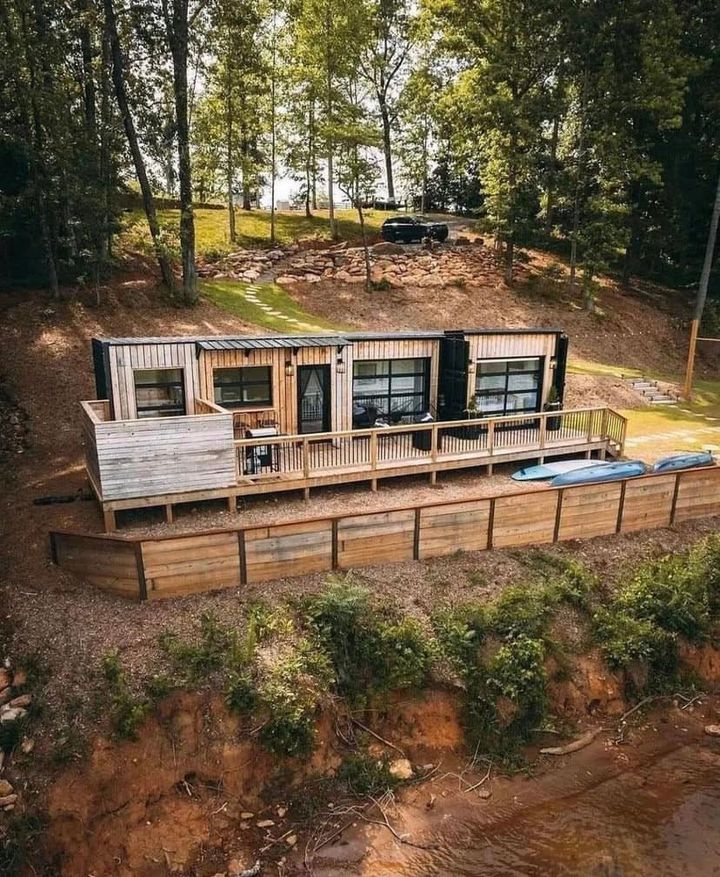
Lakefront designs emphasize views, natural light, and outdoor living spaces.
These homes are especially popular as vacation properties and short-term rentals.
A small house can still provide comfortable living for families when designed efficiently.
Smart floor planning allows families to enjoy comfort without excessive square footage.
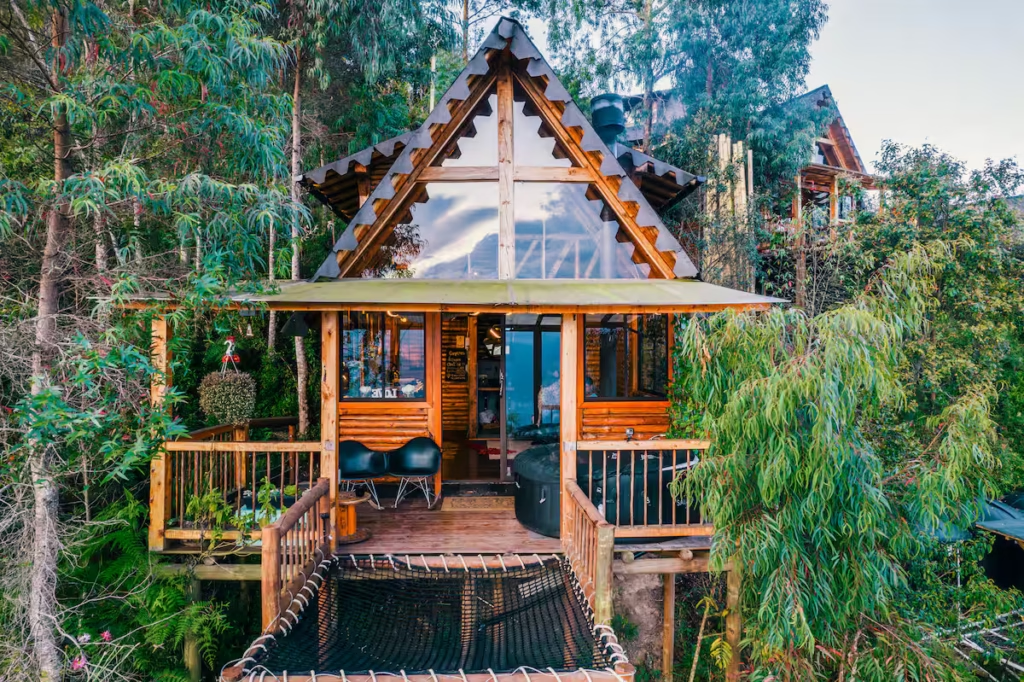
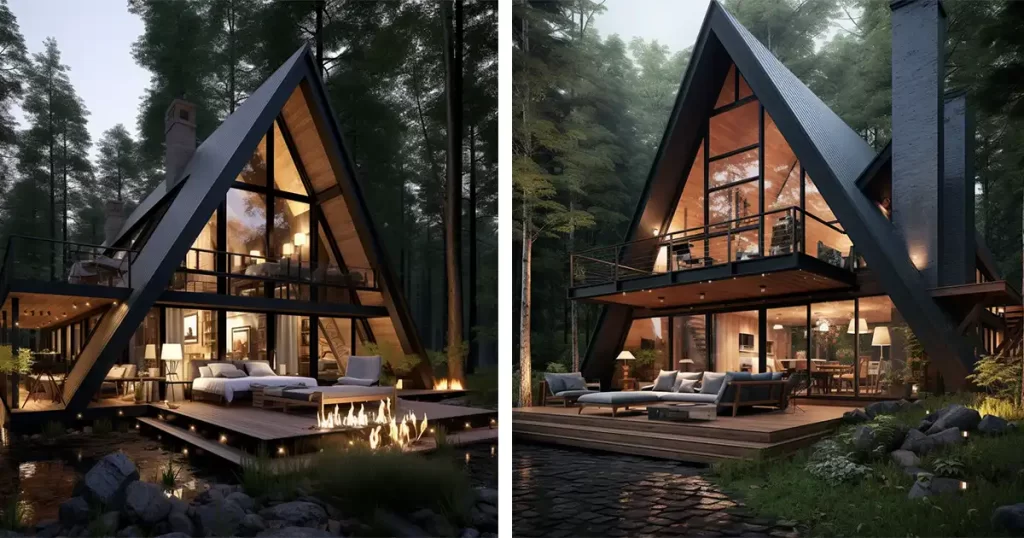
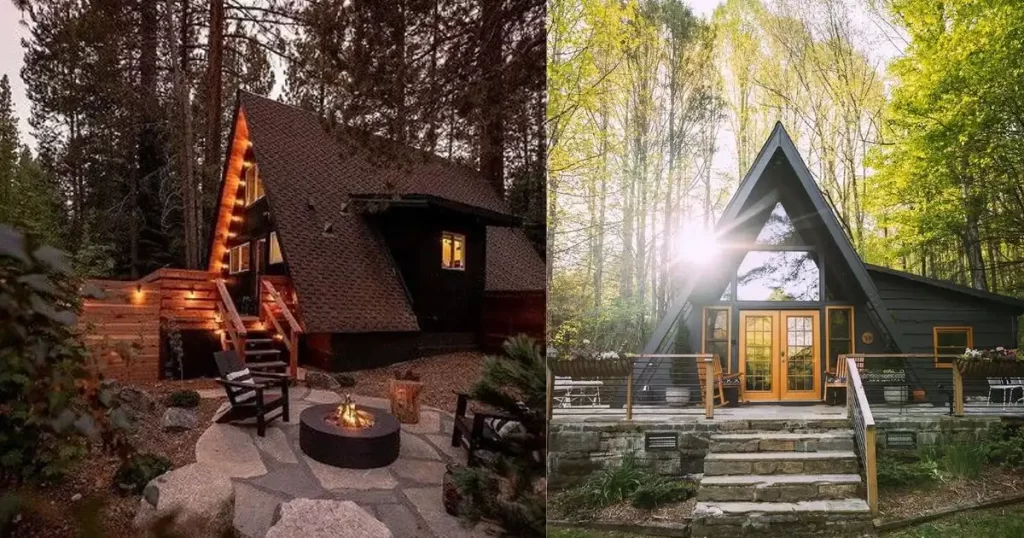
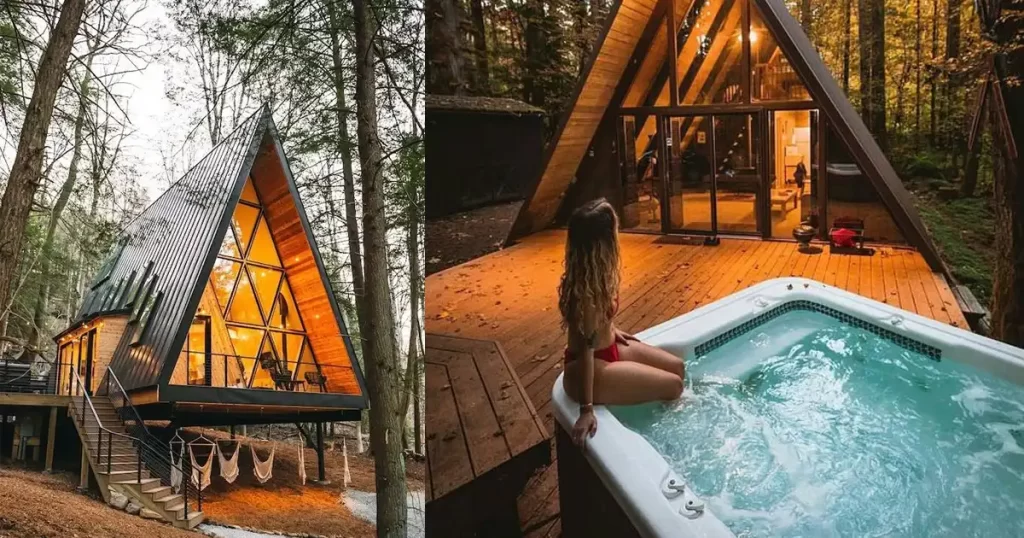
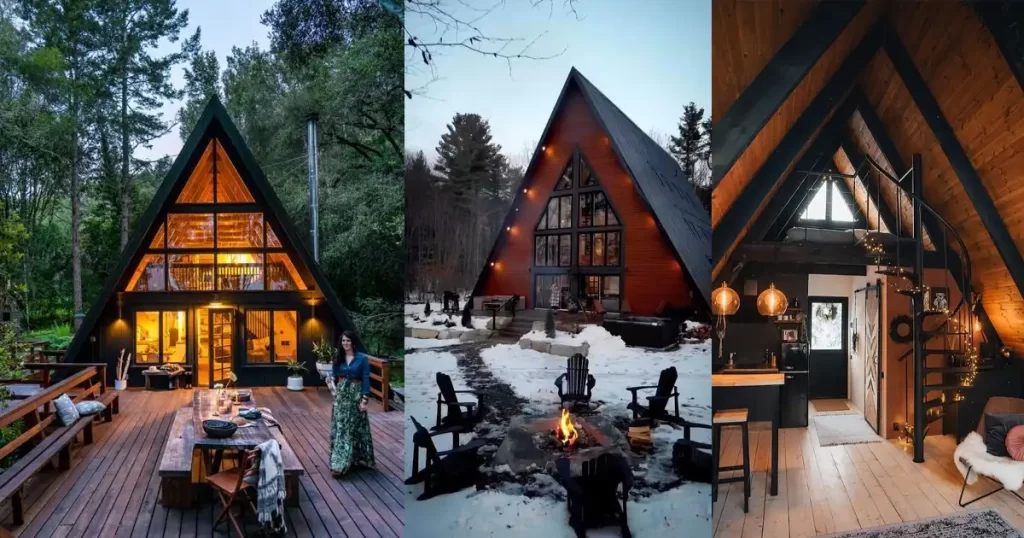
A-frame homes are instantly recognizable thanks to their dramatic triangular roof structure.
A-frame cabins continue to dominate social media and design platforms.
Eco-friendly house plans focus on reducing energy consumption and environmental impact.
These homes are designed for long-term environmental and financial benefits.
Luxury does not require thousands of square feet. Modern compact homes demonstrate how premium design can exist within a smaller footprint.
Luxury compact homes often provide better functionality than much larger traditional houses.
Choosing the right architectural style is one of the most important decisions when selecting a small house plan. Each design philosophy offers unique advantages and visual characteristics.
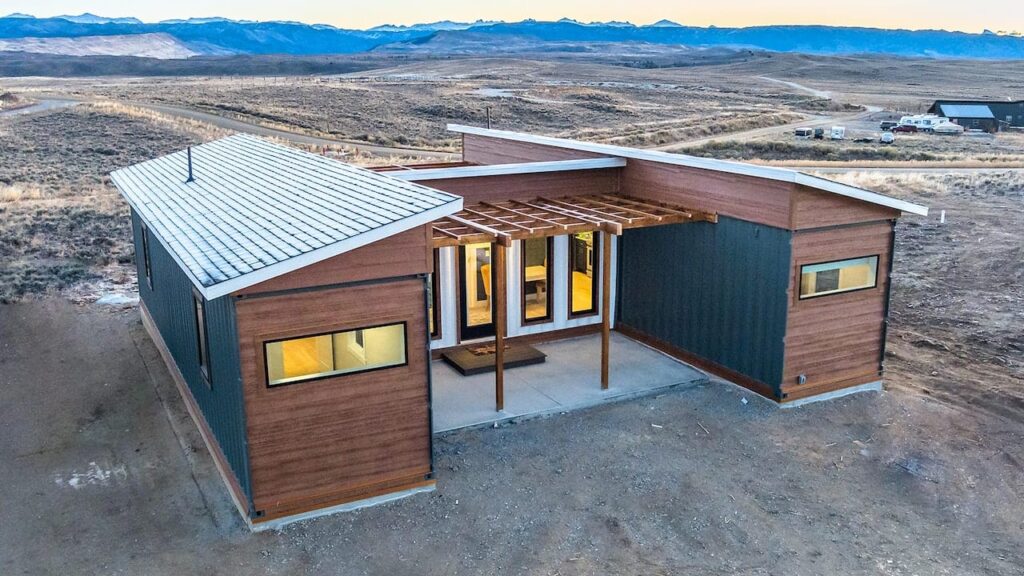
Modern homes remain the most popular category among buyers searching for small house plans.
Modern homes create a spacious feeling even within compact dimensions.
Cabins continue to attract homeowners seeking a warm and inviting atmosphere.
Cabins work well in forests, mountains, and lakeside locations.
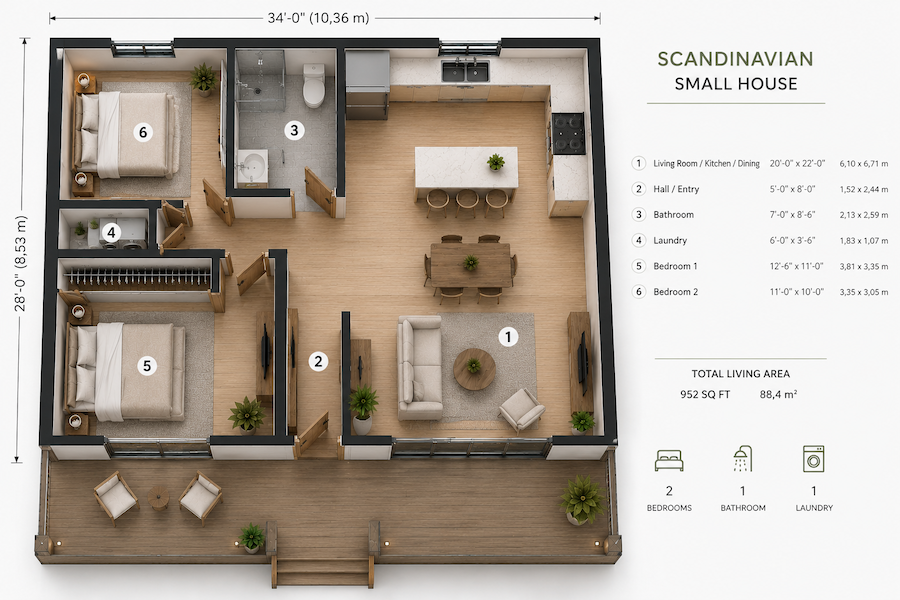
Scandinavian design combines beauty with practicality.
These homes are ideal for homeowners who value simplicity and elegance.
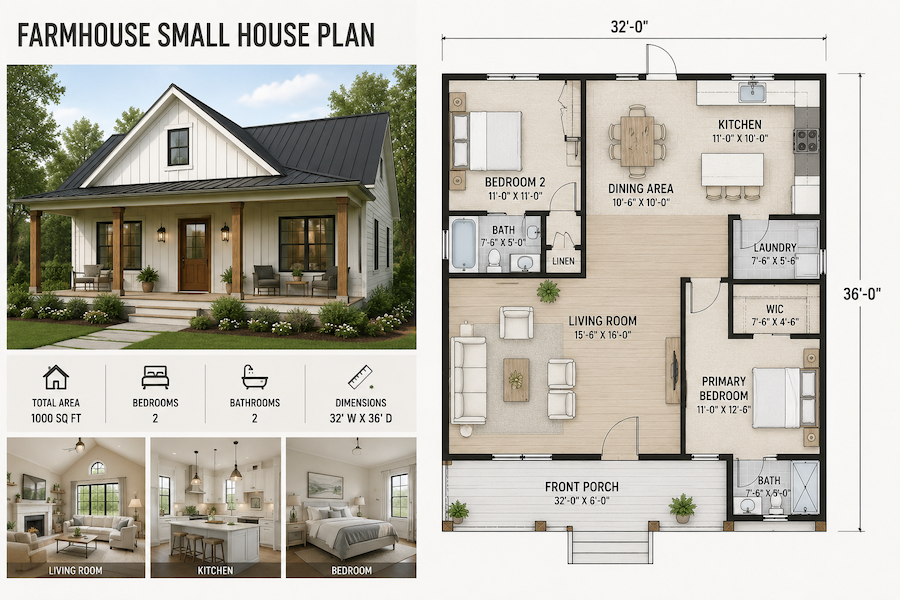
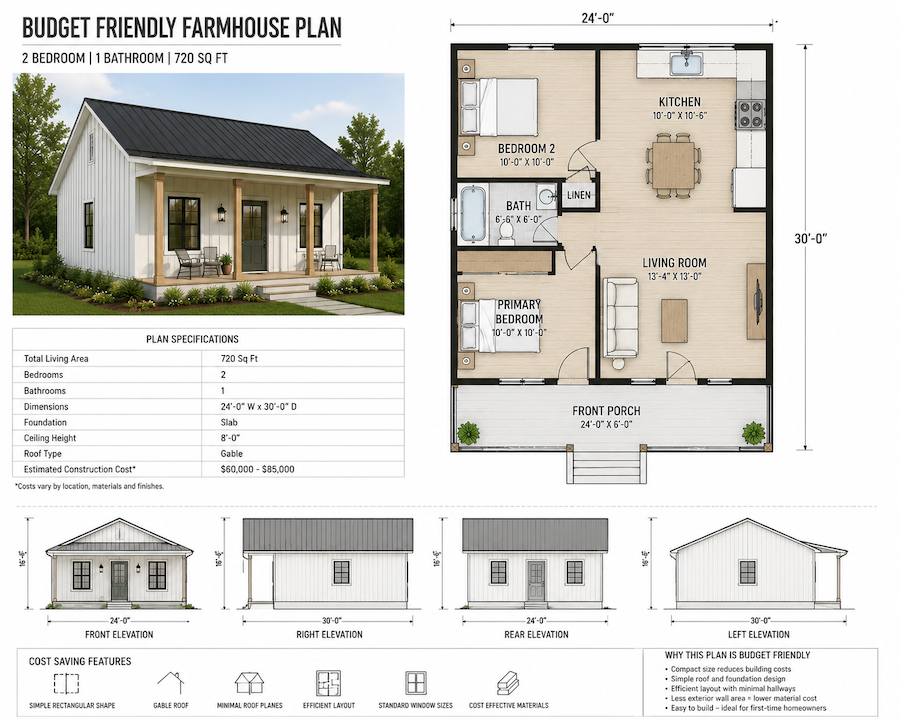
Modern farmhouse designs remain one of the strongest trends in residential architecture.
Farmhouse plans combine traditional charm with modern functionality.
Tiny houses focus on extreme efficiency while maintaining essential living functions.
Tiny houses appeal to homeowners pursuing financial freedom and simplified living.
Whether you prefer contemporary architecture, rustic cabins, Scandinavian simplicity, or timeless farmhouse designs, today’s small house plans offer countless opportunities to build a home that reflects your lifestyle, budget, and long-term goals.
The appeal of small house plans goes far beyond saving space. Homeowners worldwide are discovering that living in a smaller home can improve financial stability, simplify daily routines, and create a more intentional lifestyle. While larger homes often come with higher expenses and maintenance requirements, small houses focus on efficiency, functionality, and quality of life.
One of the most significant advantages of a small house is affordability. Building a smaller home generally requires fewer materials, less labor, and a smaller construction budget.
Compared to traditional homes, small house plans often allow homeowners to:
This affordability makes small houses attractive for first-time buyers, retirees, and investors alike.
Smaller homes require less energy to heat, cool, and maintain. As energy costs continue to rise, homeowners are increasingly seeking more efficient housing solutions.
Benefits include:
Many modern small homes also integrate renewable energy systems such as solar panels, further reducing long-term operating costs.
Maintaining a large home can be time-consuming and expensive. Small houses dramatically reduce the amount of cleaning, repairs, and upkeep required.
Homeowners enjoy:
Instead of spending weekends maintaining a property, homeowners can focus on activities they enjoy.
Sustainability has become a major factor in housing decisions. Small homes naturally reduce environmental impact by consuming fewer resources during both construction and operation.
Environmental benefits include:
For eco-conscious homeowners, small house plans represent a practical way to live more responsibly.
Modern architects have mastered the art of maximizing every square foot. Small house plans are carefully designed to eliminate wasted space and improve functionality.
Common features include:
These design strategies often make small homes feel surprisingly spacious.
A smaller mortgage, lower utility bills, and reduced maintenance expenses can significantly improve financial health.
Many homeowners use the savings generated by living in a small house to:
Rather than being tied to housing expenses, homeowners gain greater flexibility in how they use their income.
Living in a smaller space encourages people to prioritize experiences over possessions. Many homeowners report feeling less stressed, more organized, and more connected to their surroundings.
Benefits often include:
For many people, small house living represents a shift toward a simpler and more fulfilling lifestyle.
One of the most common questions homeowners ask is how much it costs to build a small house. The answer depends on several factors, including location, materials, design complexity, and labor rates.
While costs vary significantly, understanding typical price ranges can help homeowners create realistic budgets.
| Home Size | Estimated Construction Cost |
|---|---|
| 400 Sq Ft | $40,000 – $90,000 |
| 600 Sq Ft | $60,000 – $120,000 |
| 800 Sq Ft | $80,000 – $160,000 |
| 1,000 Sq Ft | $100,000 – $220,000 |
| 1,200 Sq Ft | $120,000 – $280,000 |
These estimates may vary based on region, materials, and customization options.
Building costs differ dramatically between regions. Labor rates, permit requirements, and land prices all influence the final budget.
Simple rectangular floor plans are generally more affordable than highly customized architectural designs.
Material selection can significantly impact costs.
Examples include:
Local labor rates play a major role in determining total construction expenses.
Solar systems, advanced insulation, smart home technology, and sustainable building materials may increase initial costs but often reduce long-term operating expenses.
For many homeowners, the answer is yes.
Small house plans offer:
As housing prices continue to rise worldwide, small homes provide an affordable alternative without sacrificing comfort or functionality.
Most small houses range between 400 and 1,500 square feet. The exact definition may vary depending on location, lifestyle needs, and local building standards.
Yes. Small homes usually require fewer materials, less labor, and lower construction budgets than larger traditional houses.
Modern small house plans are among the most popular styles, followed by Scandinavian, cabin, farmhouse, and tiny house designs.
Yes. With efficient layouts, smart storage, open living areas, and flexible room designs, many families can live comfortably in a small house.
Small houses are generally more energy efficient because they require less heating, cooling, lighting, and overall maintenance.
Many couples prefer small houses between 600 and 1,000 square feet because they offer a comfortable balance of space, affordability, and easy maintenance.
Yes. Many small house plans can include attached or detached garages while still maintaining a compact and efficient layout.
Lofts are a smart solution for small homes because they use vertical space for sleeping, storage, or a compact home office area.
Well-designed small houses in desirable locations can maintain strong resale value, especially as demand for affordable and efficient homes continues to grow.
The biggest advantage is the combination of lower costs, easier maintenance, improved efficiency, and a simpler lifestyle.
Yes. Most small house plans can be customized to fit different room layouts, exterior styles, storage needs, and lifestyle preferences.
Small homes are highly suitable for retirement because they offer lower maintenance costs, easier accessibility, and better long-term affordability.
Many small houses can be completed within three to eight months, depending on design complexity, permits, materials, and local construction conditions.
Small houses can be used as primary homes, vacation properties, guest houses, rental units, or backyard ADUs, making them flexible real estate investments.
Small house plans are becoming more popular because of rising housing costs, sustainability concerns, flexible lifestyles, and the desire for simpler living.